-
Aloe vera & Aftersun
-
Magnesium Oil & Blends
-
Carrier Oils
-
Massage Oils
-
Hair & Face
-
Magnesium Bath & Beauty
-
Castile Soap
-
Wellness Packs
- Gift Cards
Cold air holds almost no moisture. Indoor heating holds even less. Hot showers strip away what the barrier needs to hold on to. Your skin is not failing to make oil, it is losing water faster than it can replace it.
Which is why a thicker cream on its own so often disappoints. Below is the order that actually works, and the four things that do it.

Dry winter skin is rarely one problem. It is three, stacked, and they all pull in the same direction.
This is the part most routines miss. If there is no water in the skin, a heavier cream on top just seals the dryness in.
Caring for dry skin is less about which products you own and more about the sequence they go on in. Water first, oil last. Each step below exists to make the next one work.
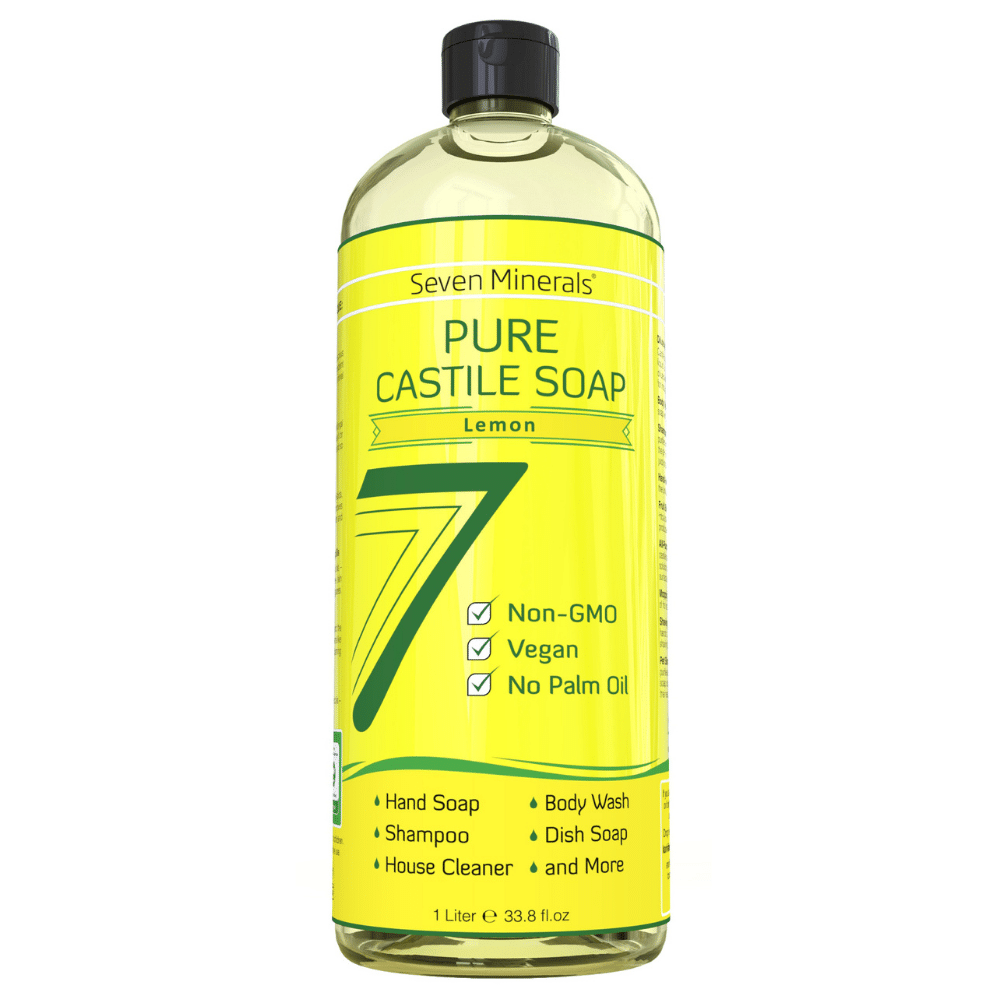
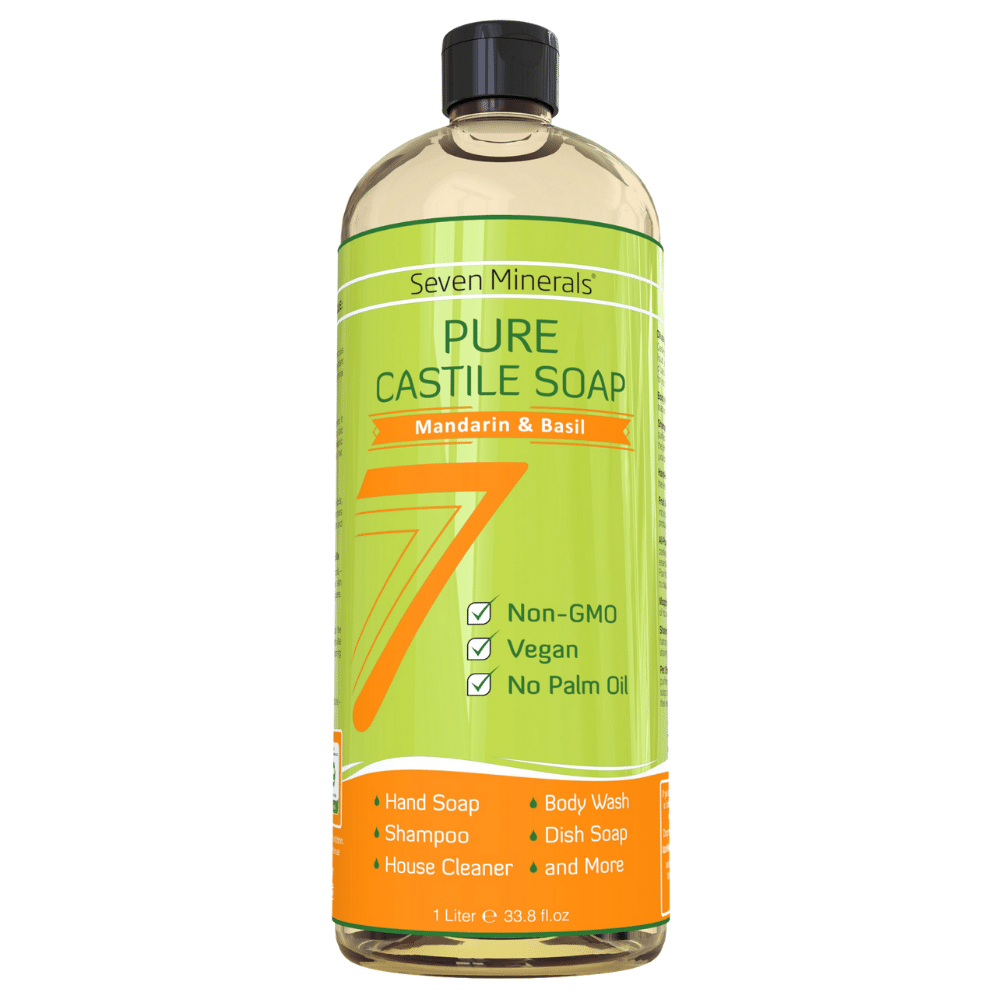
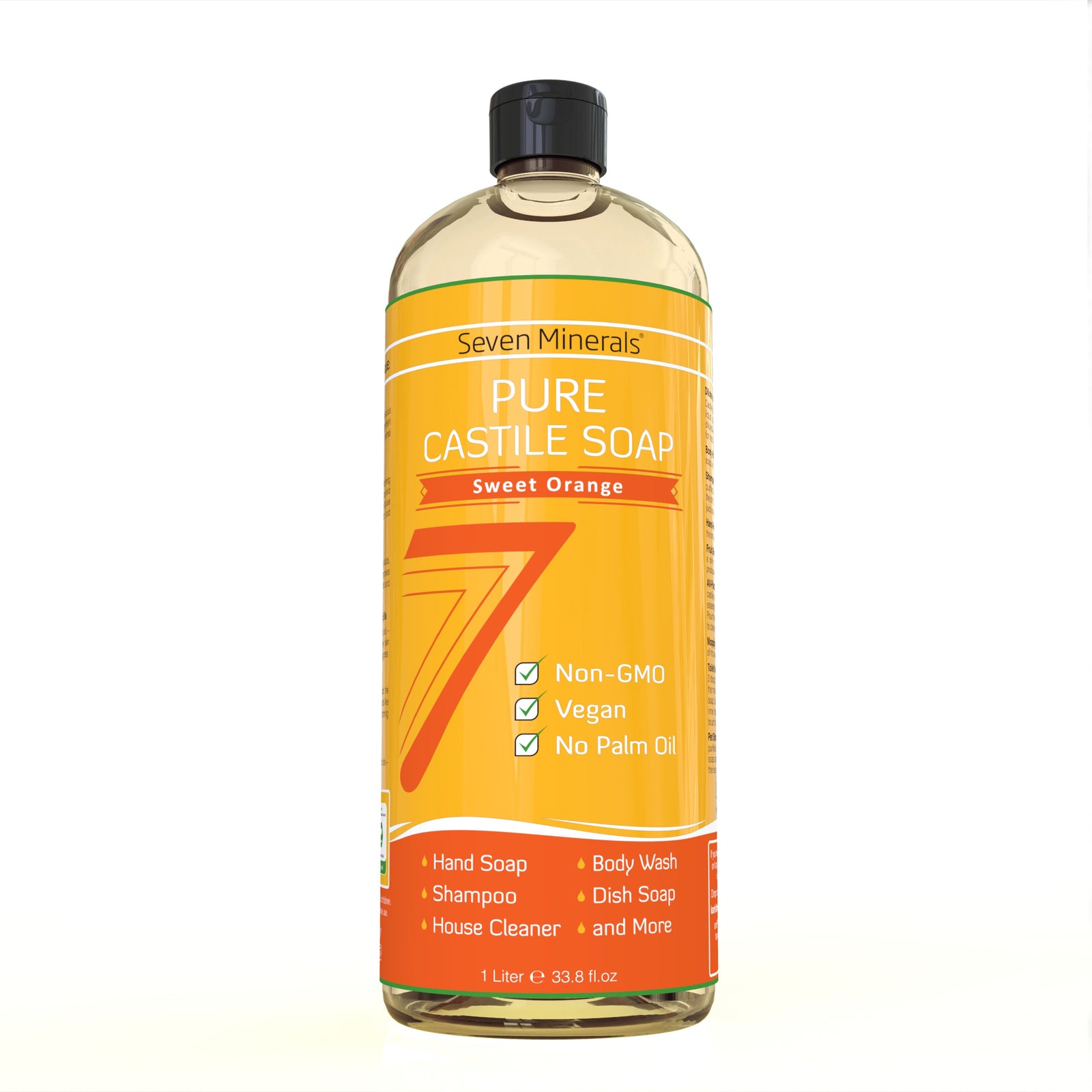
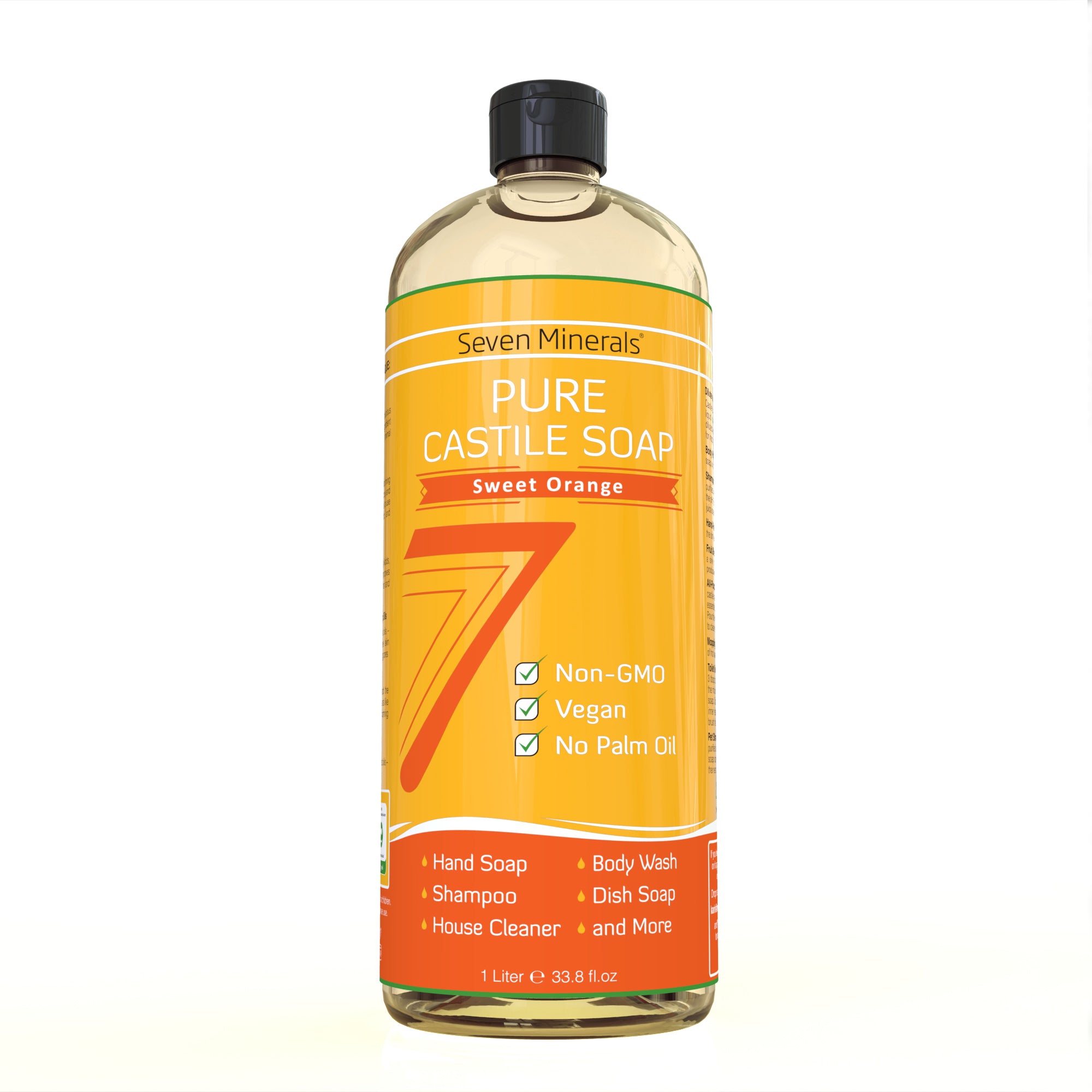
A lot of winter dryness begins in the shower, with a cleanser that strips the lipids your barrier depends on. A diluted castile soap cleans without taking that layer with it.
Apply aloe while skin is still slightly damp. This is the hydration step, and it is the one most routines skip altogether. An oil cannot hydrate skin. Only water can.
Knuckles, elbows, shins, heels. A few drops of vitamin E oil goes exactly where skin is cracked or rough, rather than over everything.
Finish with a butter-based cream. This is the occlusive layer that keeps the water you just applied from evaporating within the hour.
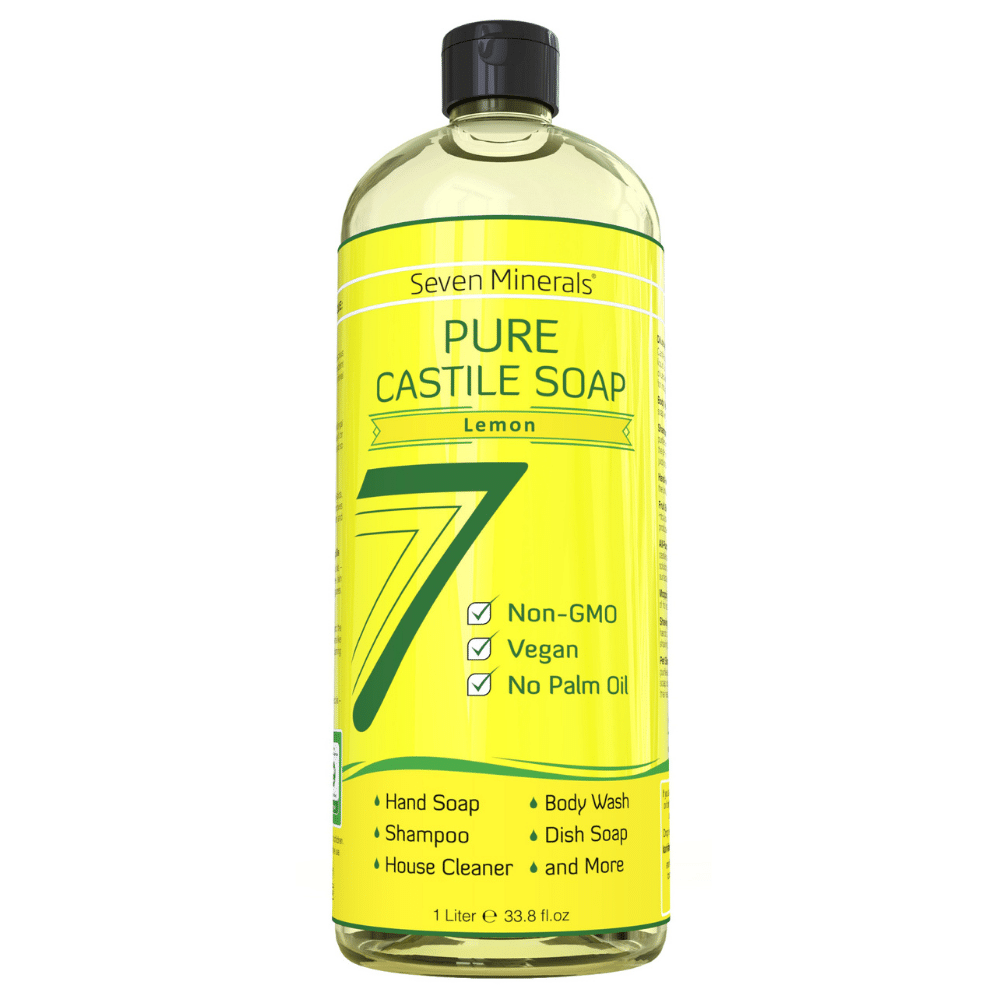
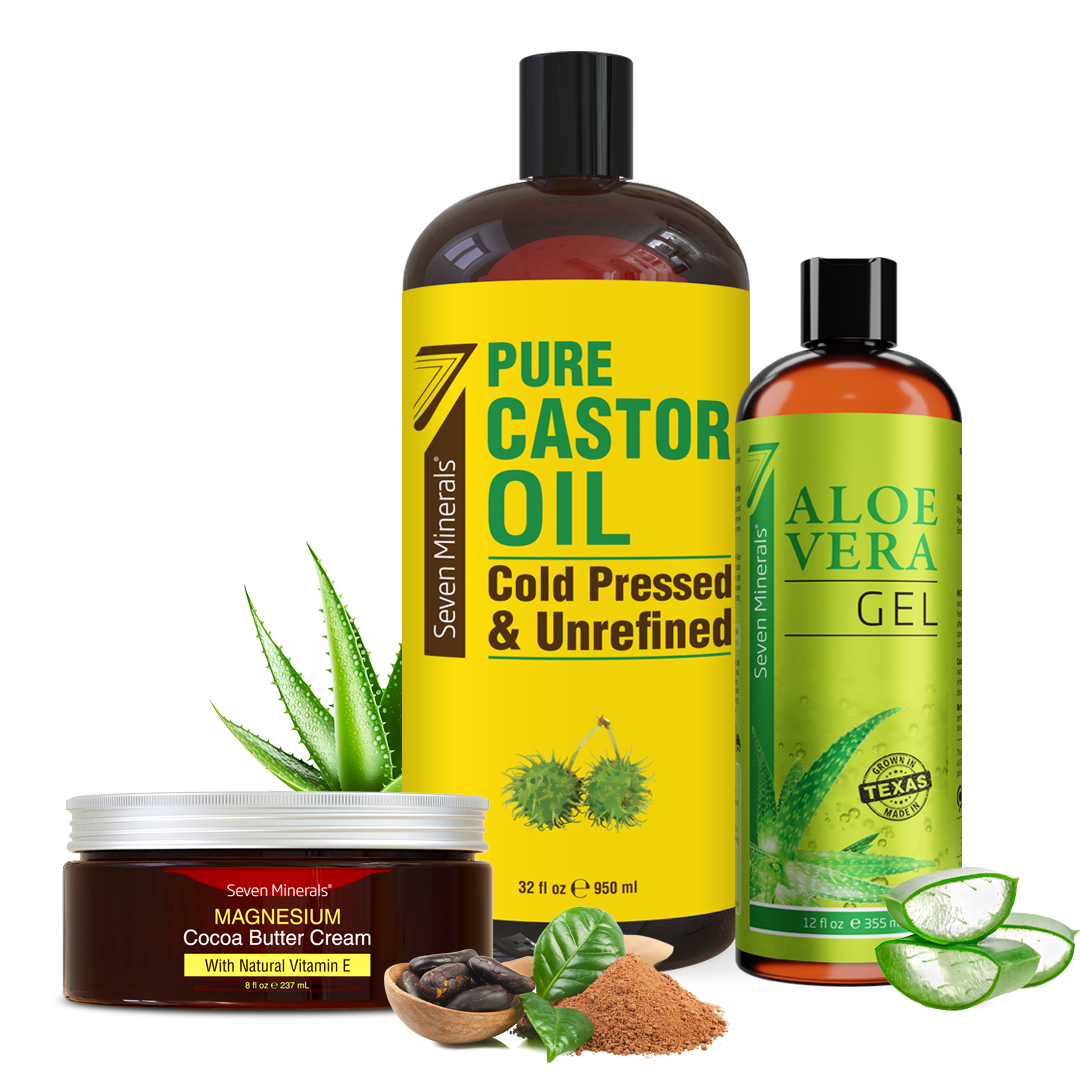
Unscented and free of palm oil, built on organic coconut, olive, castor, argan, jojoba and hemp oils. Concentrated, so you dilute it. This is the wash step, and it is what makes the 4-Piece kit a 4-Piece kit.
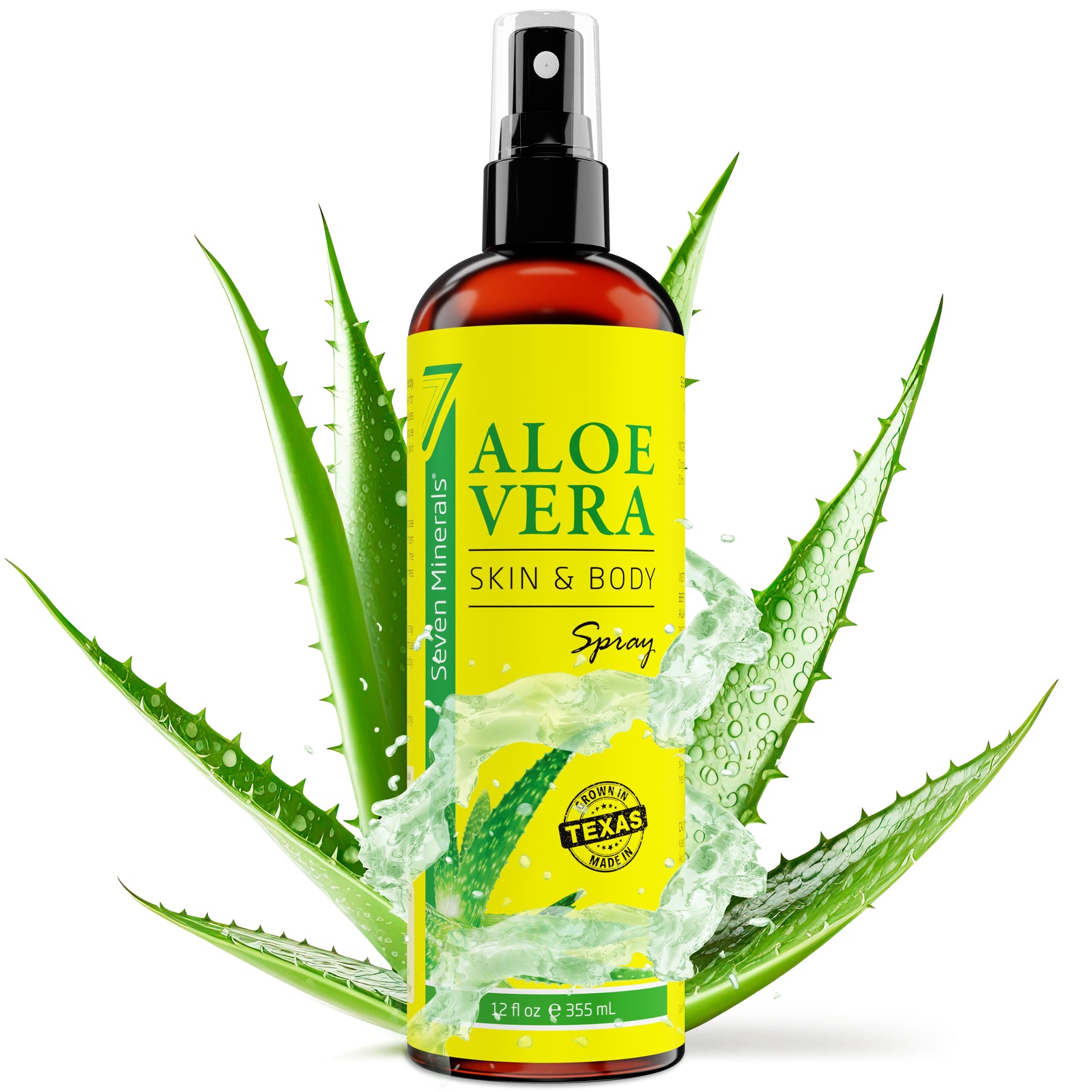
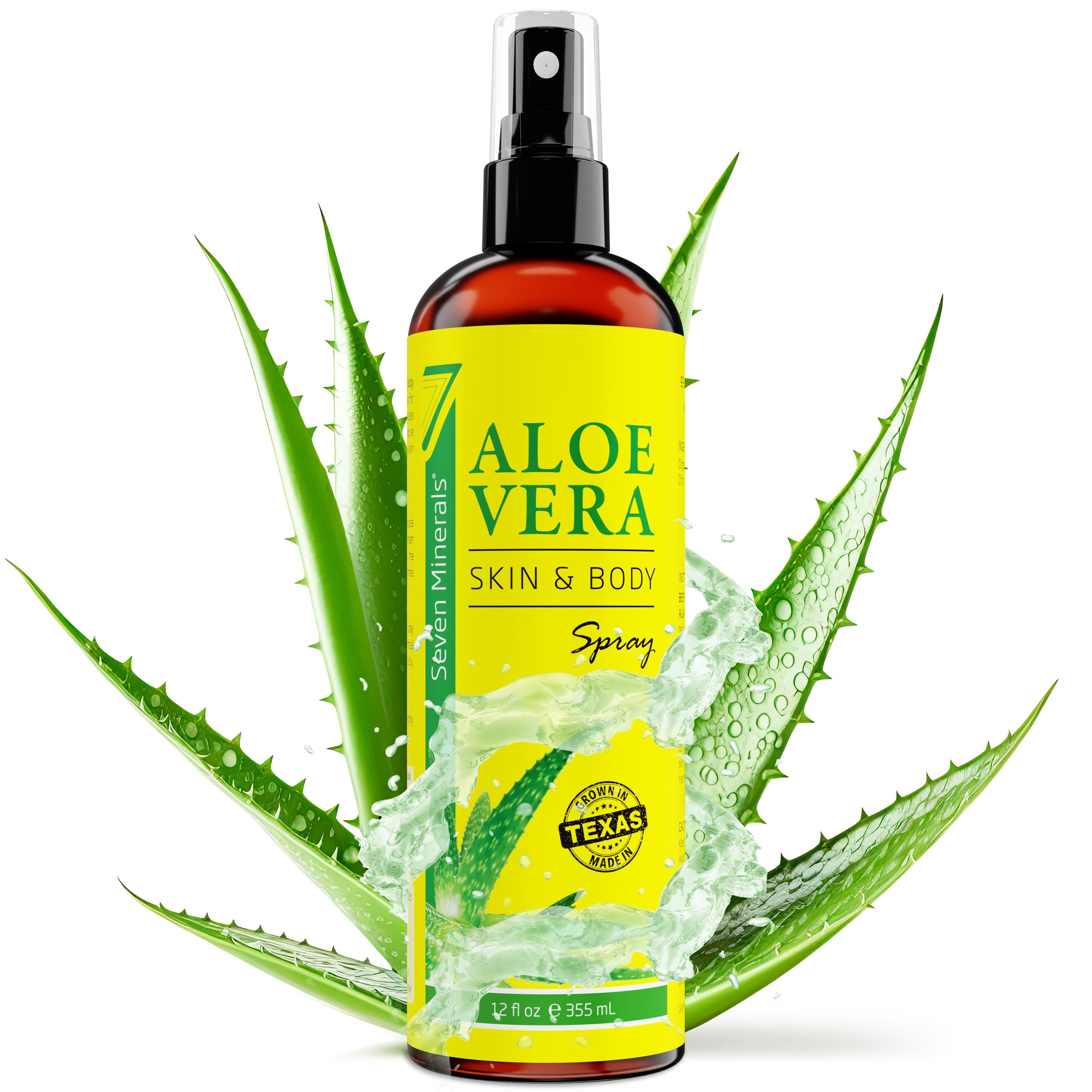
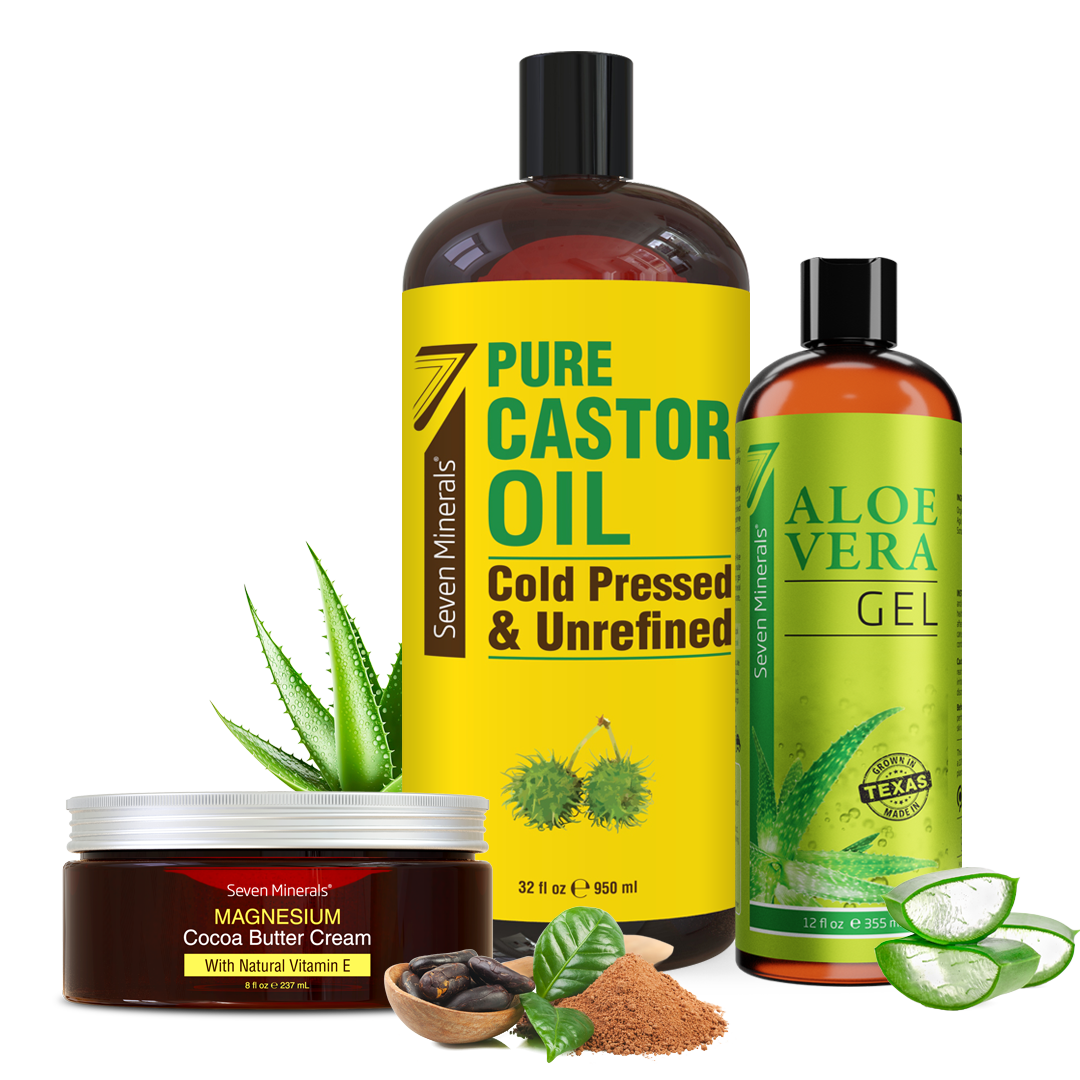
98.7% certified organic, from freshly cut Texas-grown aloe, thickened with seaweed extract instead of xanthan so it sinks in without leaving a sticky film. This is the water step.
One ingredient, full-spectrum D-alpha tocopherol, naturally sourced rather than synthetic. A few drops on the roughest spots. This is the treat step.
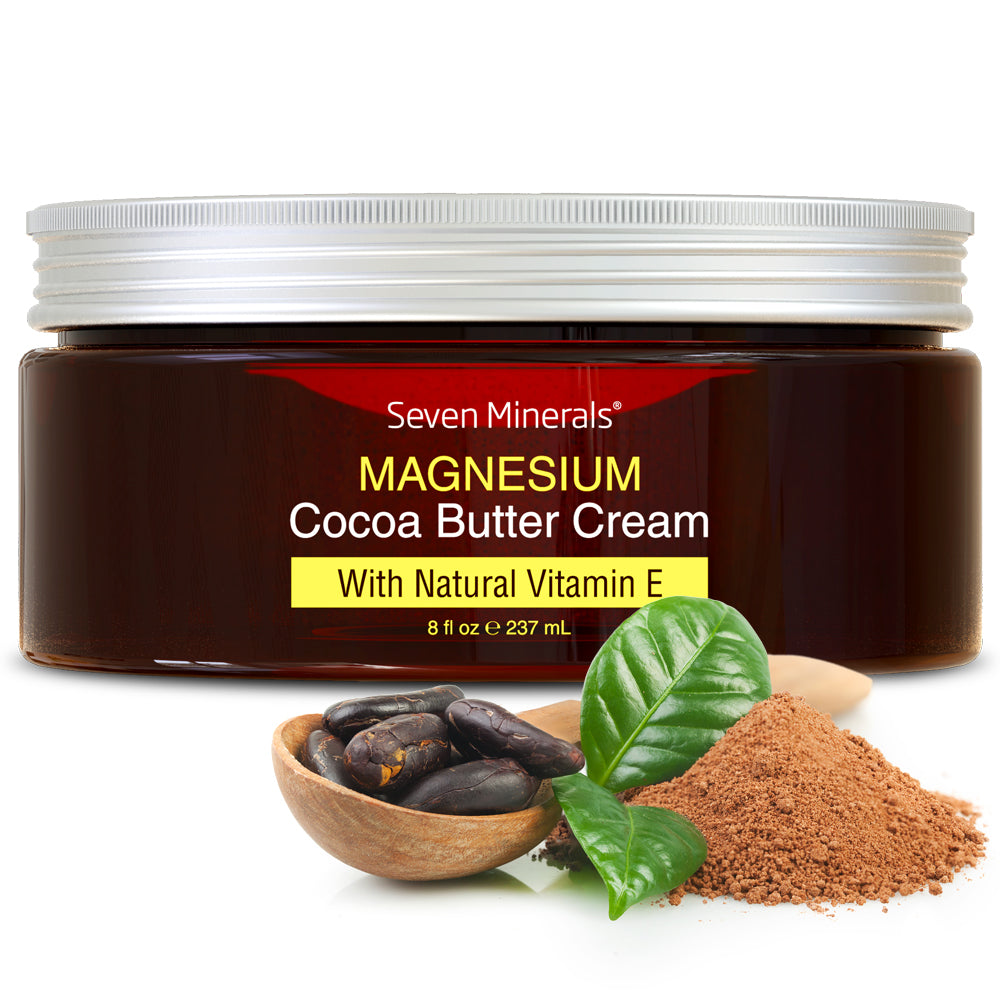
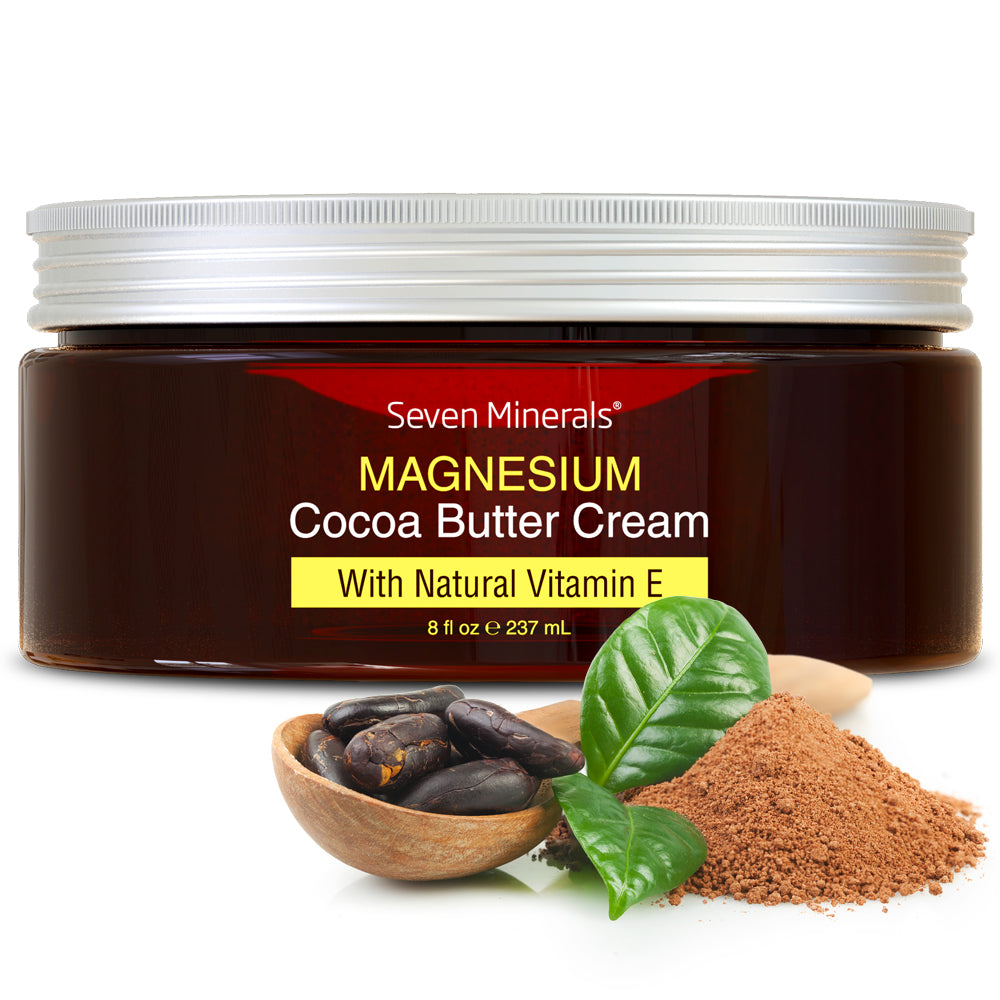
Organic cocoa butter, sunflower oil and beeswax with natural vitamin E, over magnesium chloride drawn from an ancient Permian seabed in the United States. This is the seal step.
The only difference between them is the wash step. If the cleanser you already use is gentle, start with the 3-Piece. If your winter dryness starts in the shower, take the 4-Piece.

Keep the cleanser you already use.

All four steps, starting with the wash.
Barrier repair is not an overnight process. Here is a realistic picture, so you can tell whether it is working.
Skin feels less tight straight after application, mostly from the aloe and the cream. That is hydration, and it is real, but it is still surface level.
This is usually where the change holds between applications rather than fading by lunchtime. Rough patches on knuckles, elbows and heels take longest.
The most common reason is the aloe going onto fully dry skin, or the cream being skipped. The sequence is doing the work here, not any single bottle.
My skin gets very dry and itchy in the winter. This gel has greatly improved dryness. I mix it with a good moisturizing lotion. Great stuff!
Janet K. · on Aloe Vera GelI use Pure Castile Soap as a hand and body wash. I have eczema and it has helped my skin from being so dry in the winter months. I'm glad I found your product.
Marcella C. · on Pure Castile SoapI finally found something to treat my severely dry and painful skin. I also sleep so much better if I put it on at night.
Donna B. · on Magnesium Cocoa Butter CreamMade my dry, aging skin feel soft and smooth. Liked the dropper bottle to prevent contamination.
Patricia B. · on Ultra Pure Vitamin E OilThe muscle benefits were apparent within days, but the skin improvements took about three weeks to become noticeable. My skin is now consistently soft and hydrated without additional products.
Allison R. · on Magnesium Cocoa Butter Cream · ★★★★☆The best aloe vera. As soon as it is applied it leaves the skin so soft.
Ana M. · on Aloe Vera GelNot a knock on rich creams. The point is what a single occlusive product can and cannot do on its own.
Comparison describes the routine as a whole, not any single product in it.
The only difference is the castile soap. If your current cleanser already leaves skin comfortable rather than squeaky, the 3-Piece covers the rest of the routine. If your skin feels tight straight out of the shower, that is the step to fix, and the 4-Piece includes it.
They work best as a sequence, because each step sets up the next. If you only do two, make them the aloe and the cream, applied one after the other. Water, then the layer that holds it in.
No. It is concentrated. Dilute it with water, roughly one part soap to three parts water for a body wash, more for hands and face. Used neat it is stronger than you need and less pleasant to rinse.
It is a butter-based cream, so it is genuinely rich. Applied to slightly damp skin and in a thin layer it absorbs; applied thickly to dry skin it will sit on top. Most people use it at night for that reason.
There is no synthetic fragrance in any of the four. The castile soap is unscented. The others carry only the natural smell of their own ingredients, which in the case of the cocoa butter cream is noticeably cocoa.
The aloe and the vitamin E oil are commonly used on the face, the oil sparingly and usually at night. The cocoa butter cream is heavy for facial skin. As with anything new, patch test first.
If you take nothing else from this page, take the order. It is the part that makes the difference, and it costs nothing to change tonight.
Free gift on orders over $50
These statements have not been evaluated by the Food and Drug Administration. These products are not intended to diagnose, treat, cure or prevent any disease. For external use only. Discontinue use if irritation occurs, and patch test before first use.