-
Aloe vera & Aftersun
-
Magnesium Oil & Blends
-
Carrier Oils
-
Massage Oils
-
Hair & Face
-
Magnesium Bath & Beauty
-
Castile Soap
-
Wellness Packs
- Gift Cards
By Karin, Co-founder, Seven Minerals
Aloe vera gel can be a practical, lightweight addition to a facial routine, but not every product labeled "aloe vera gel" belongs on your face. The formulation matters, the ingredient list matters, and your skin's individual response matters. Here's what's actually worth knowing before you put any aloe gel on your face.
Aloe vera gel can work well for the face, but individual skin responses vary and it isn't right for every skin type or every routine.
The ingredient list tells you more about a product than the front label does. Read it.
Organic aloe vera gel means the aloe was grown under certified organic agricultural standards. It doesn't automatically make the product purer, safer, or more effective than non-organic options.
Texture matters for facial use in practical ways. A gel that feels persistently tacky can interfere with anything you layer over it.
Aloe vera gel is not a treatment for diagnosed skin conditions and is not a substitute for sunscreen.
Yes, and plenty of people do as part of a simple daily routine. Aloe vera gel is commonly used as a lightweight hydration and conditioning step in skincare. For some people it works beautifully as a light layer after cleansing. For others it feels drying, mildly irritating, or simply insufficient for what their skin needs.
Both experiences are real. The honest answer is that it depends on your skin, the specific product, and how you're using it.
This is where most buying decisions go sideways.
Start with the ingredient list. Cosmetic ingredients are generally listed in descending order of predominance. Seeing aloe vera near the top of the list can indicate it's one of the predominant ingredients in the formula. Ingredient order alone won't tell you an exact percentage, but it gives you a reasonable sense of where things stand. It's a starting point, not a definitive measurement.
Look at the full formula, not just the front label. Some aloe gels contain artificial colorants or synthetic fragrances. Whether those matter to you depends on your skin, your sensitivities, and what you're trying to accomplish. The point isn't that any particular ingredient type is automatically good or bad. The point is that a clearly disclosed ingredient list lets you evaluate what you're actually putting on your face, rather than guessing from a marketing claim.
Understand what "organic" means in this context. An organic aloe vera gel is made from aloe grown under certified organic agricultural standards. That's a meaningful sourcing choice. It doesn't mean the finished product is automatically purer, more effective, or better suited to your skin than a non-organic alternative. It also doesn't mean every other ingredient in the formula is organic unless the label says so. Organic sourcing is one factor to consider, not a shortcut past reading the rest of the label.
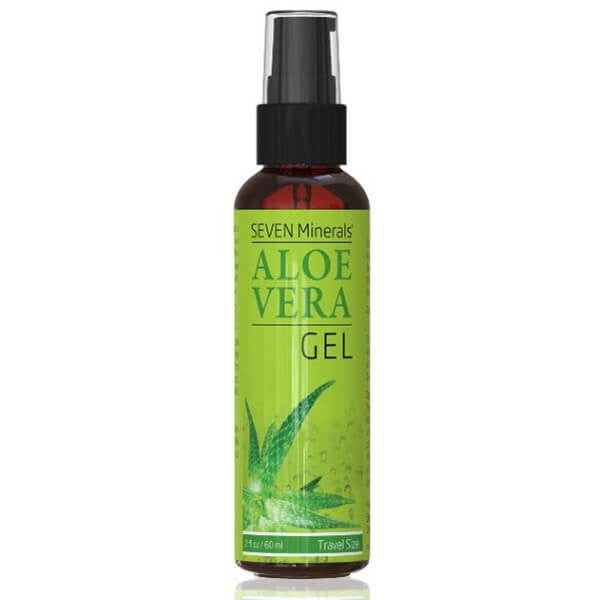
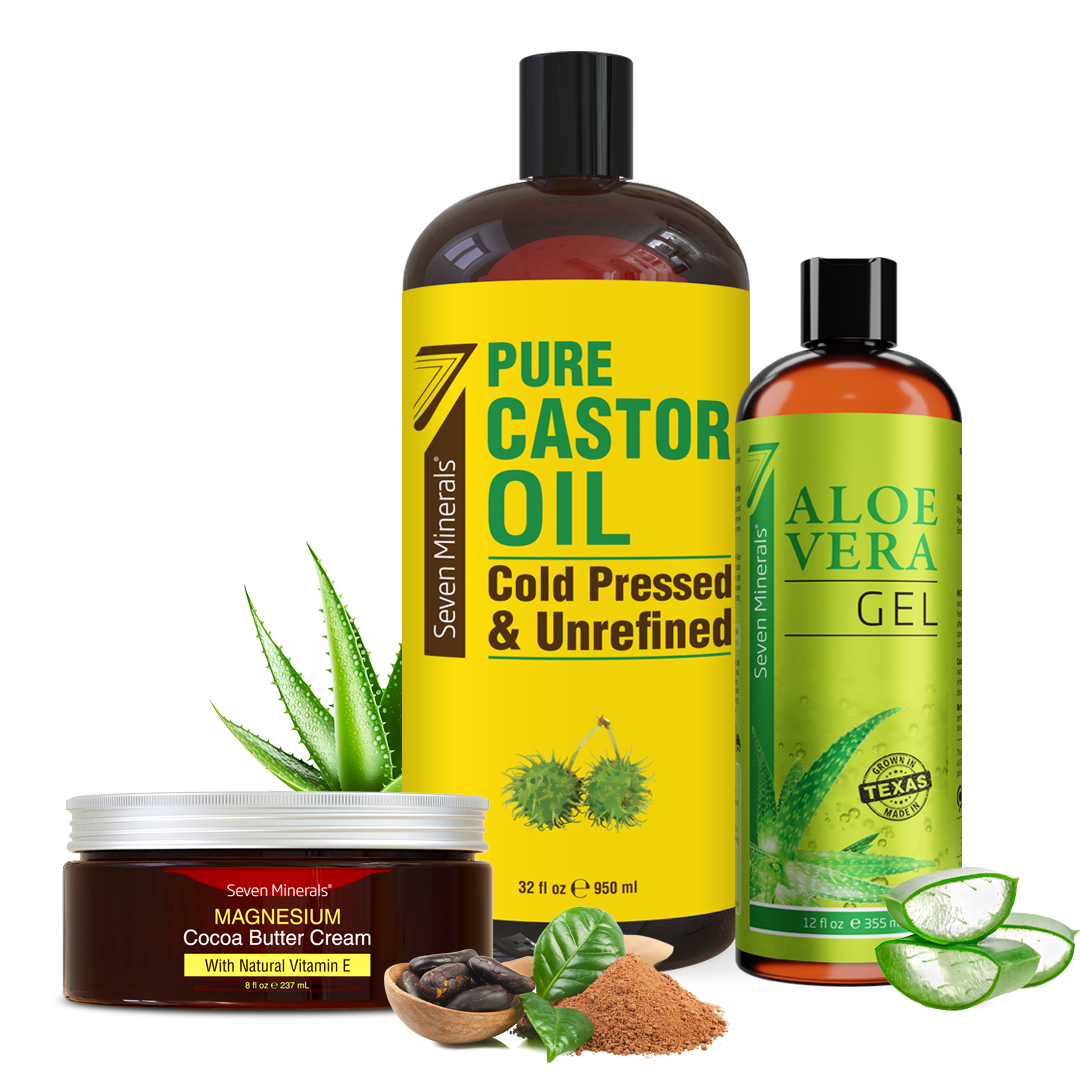
Seven Minerals Aloe Vera Gel uses organically grown aloe as a primary ingredient and keeps the ingredient list short and readable. That transparency is the foundation of what makes it worth looking at for facial use.
For body use, a slightly heavy gel usually isn't a problem. For your face, it matters a lot more.
If an aloe gel leaves a sticky film after it settles, it's going to interfere with whatever you apply over it, whether that's a moisturizer, an SPF, or makeup. It can also just feel uncomfortable throughout the day.
A well-formulated aloe gel for the face should absorb at a reasonable pace and leave skin feeling lightly conditioned rather than coated. If a thin application still feels persistently tacky after it settles, that particular formula or texture may simply not suit your facial routine.
When you're reading reviews, look past the star rating and find comments about how the product actually feels after it dries. That's the information that matters most for facial use.
Aloe vera gel is a lightweight product, so it generally belongs earlier in a routine, applied after cleansing and before heavier moisturizers or facial oils. Apply according to product directions, then adjust the rest of your routine based on how your skin actually responds.
One practical note: aloe gel is a hydration and conditioning step. It is not a substitute for sunscreen, and it's not a replacement for a moisturizer if your skin genuinely needs one. Think of it as a light, uncomplicated layer rather than a standalone skincare system.
It's also not a treatment product. If you're managing a diagnosed skin condition such as eczema, rosacea, or acne, aloe vera gel is not a treatment for those conditions. What it can offer is a relatively simple, ingredient-transparent step in a routine that isn't trying to do too much at once. For people working to simplify what goes on their face, that's real value.
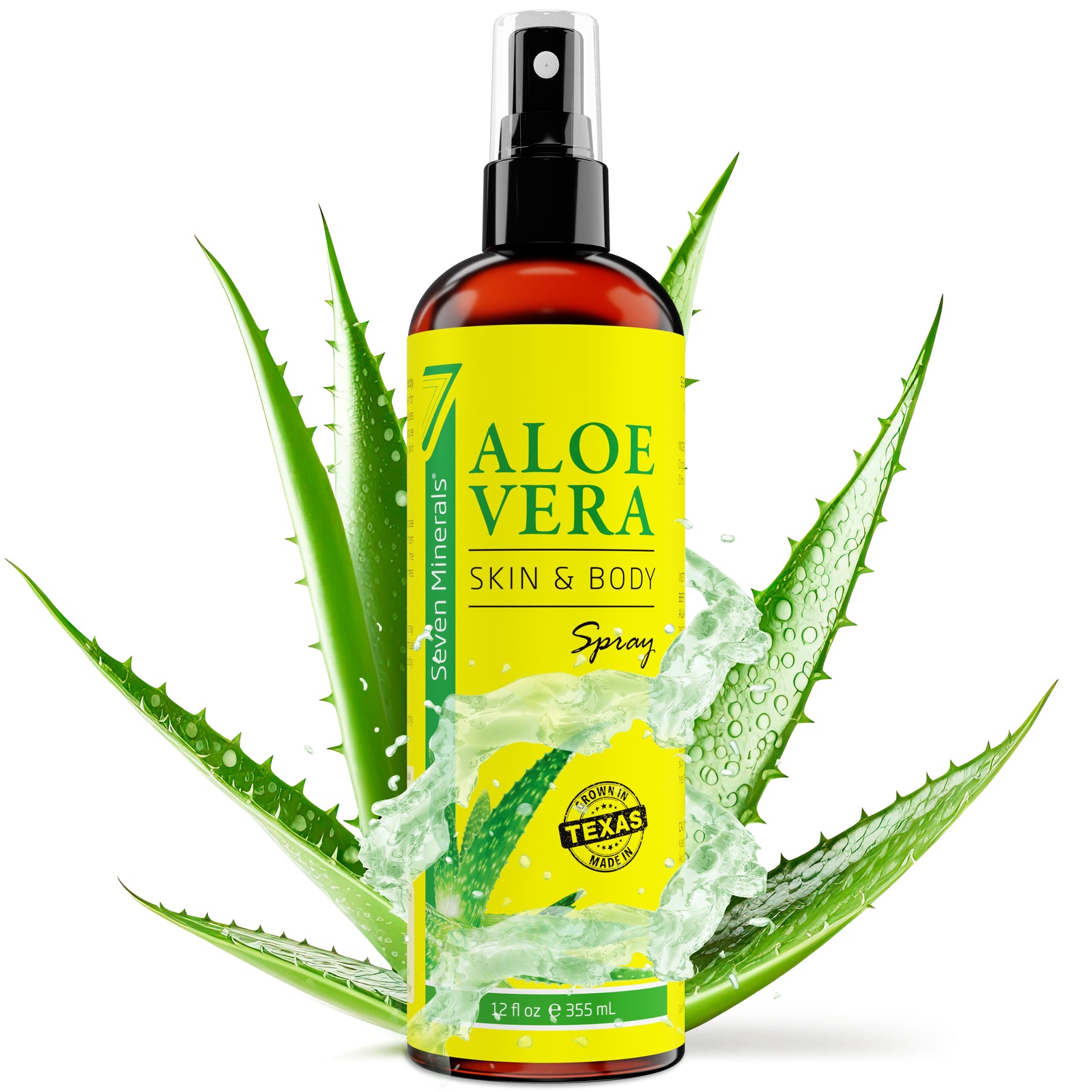
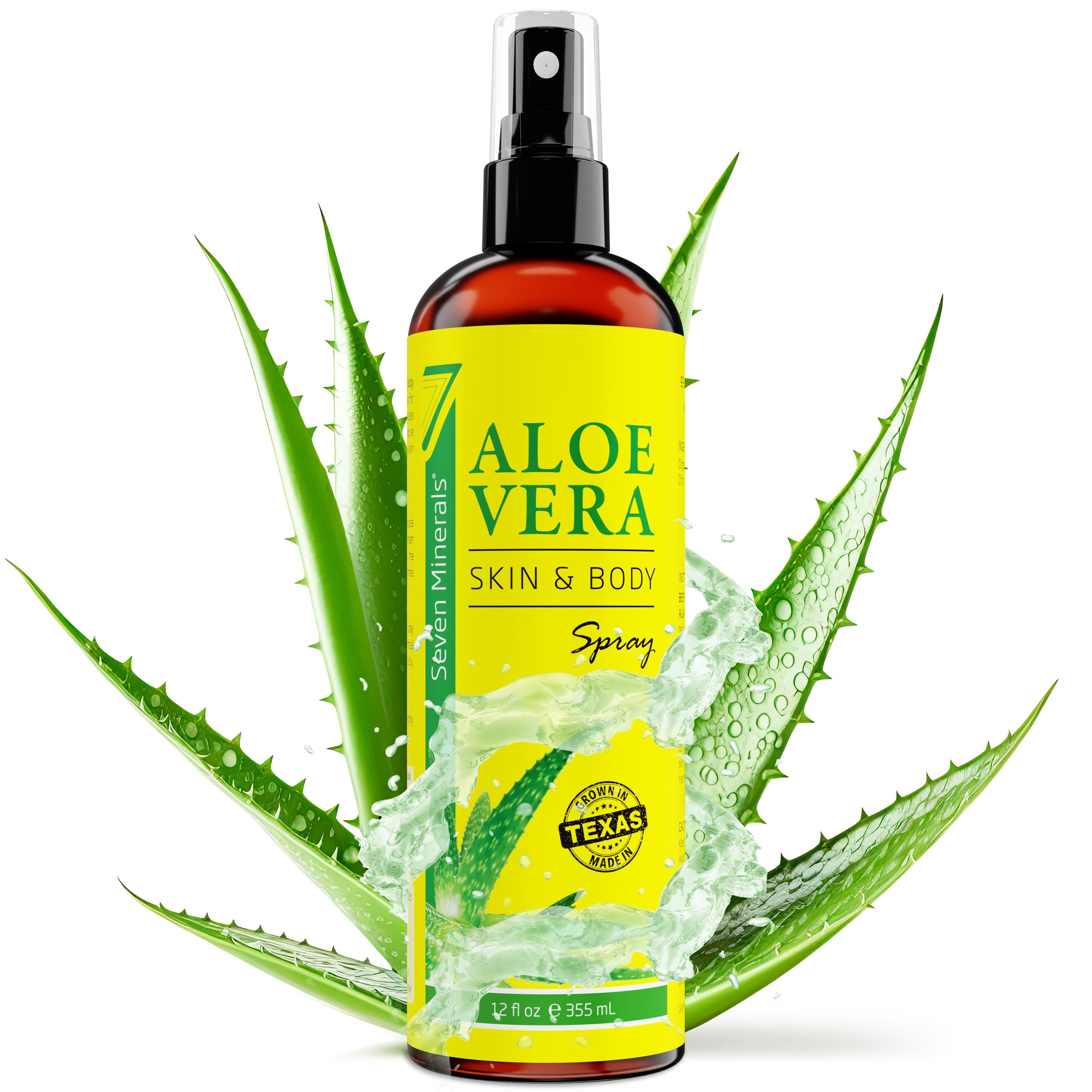
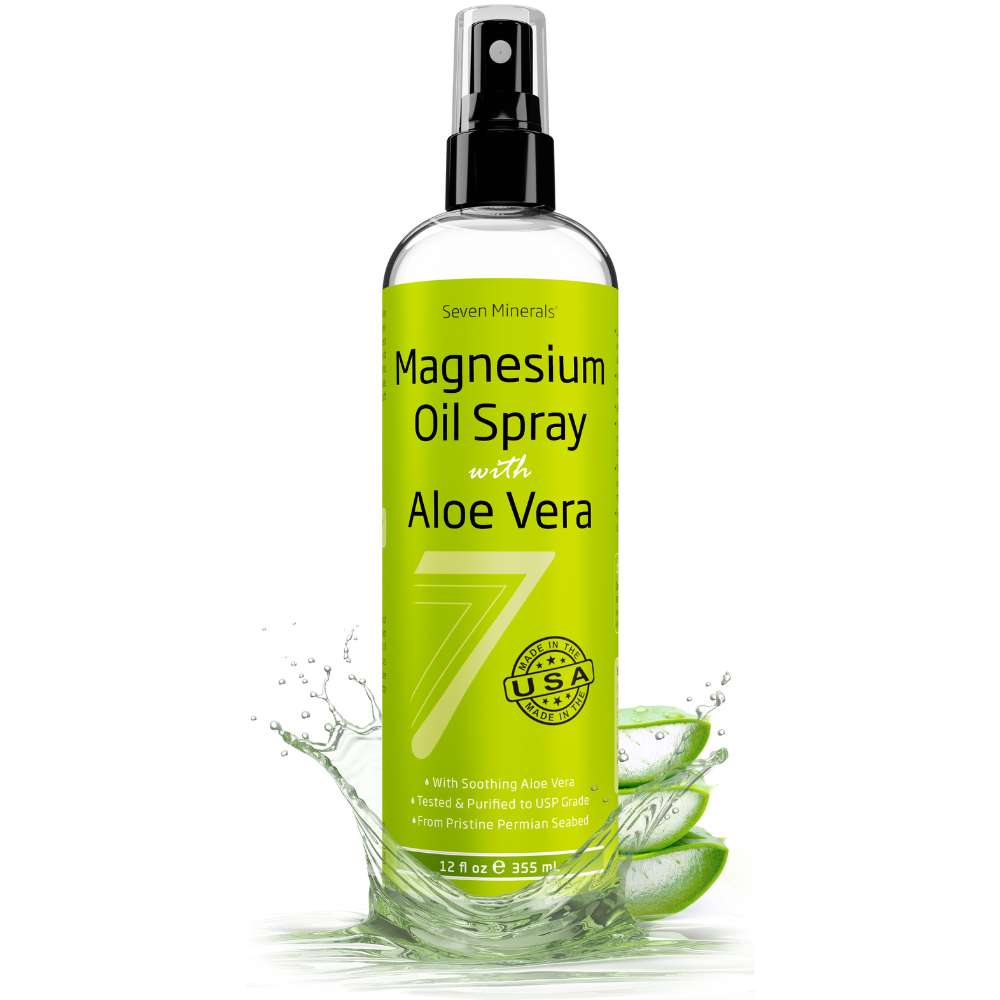
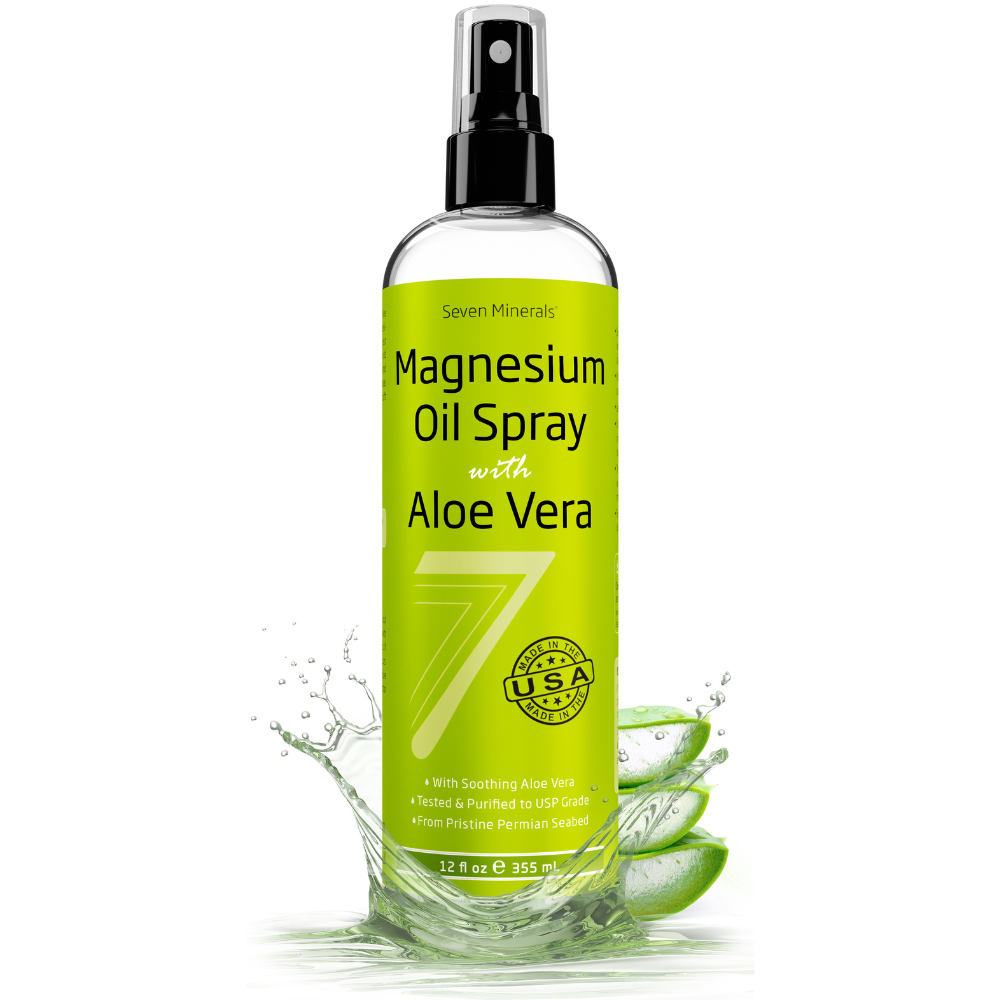
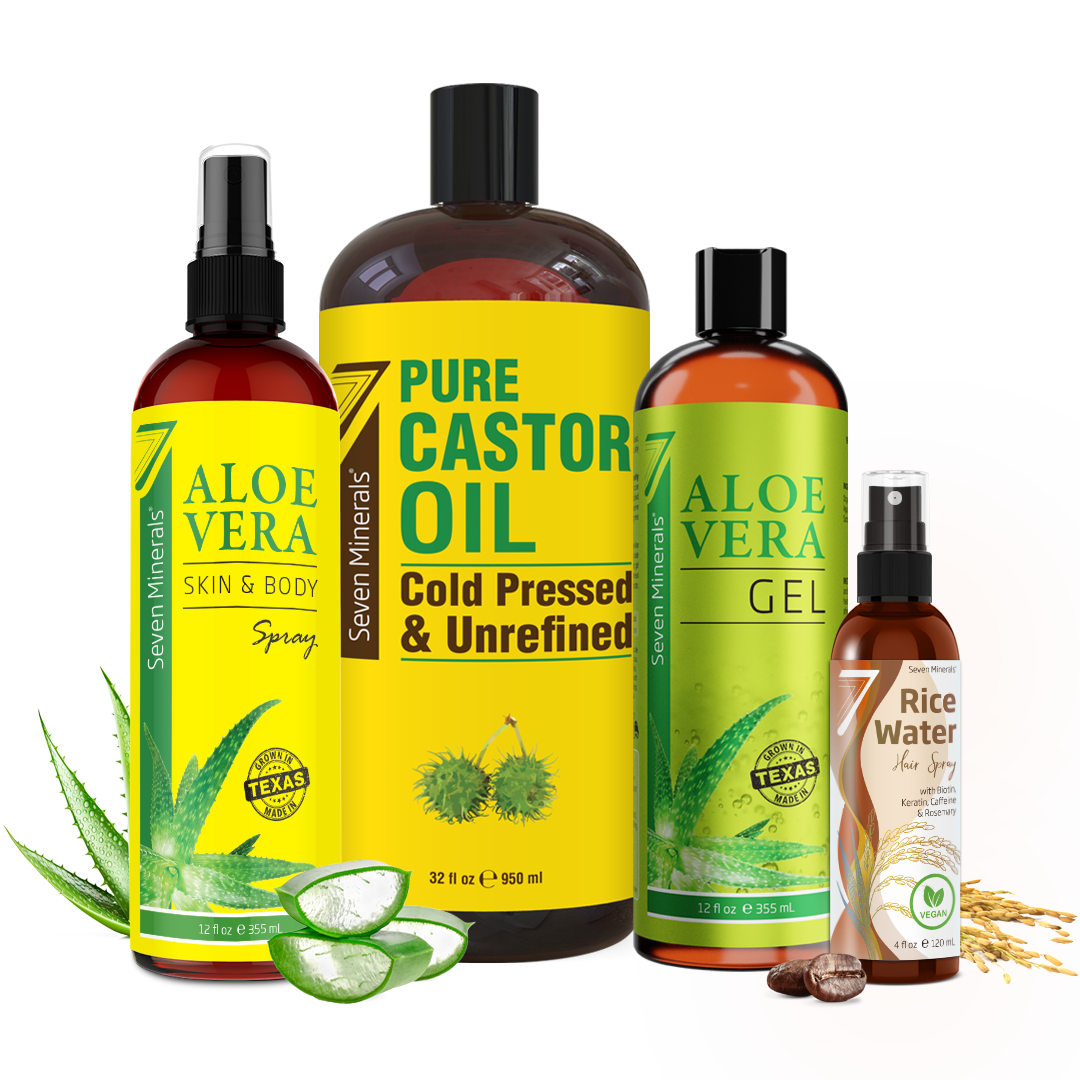
If you want something beyond the gel, the Seven Minerals aloe vera collection includes a spray format as well, which is worth exploring if you find a gel texture heavier than you'd like for daily facial use.
This part deserves a direct, honest answer.
Natural does not mean won't cause a reaction. Aloe vera is generally considered well-tolerated, but reactions do happen, and they have nothing to do with product quality. If you know you're sensitive to aloe or to another ingredient in a formula, avoid that product or check with a healthcare professional if you're unsure.
For sensitive or reactive skin, patch testing before broader facial use is a sensible precaution. Apply a small amount to a less visible area of skin, follow the product's guidance, and pay attention to how that area responds before applying the product to your full face.
A clearly disclosed ingredient list makes this process genuinely useful. When you know exactly what's in a formula, you have something to work with if your skin does react.
These serve different purposes, and knowing the difference helps you use both correctly.
A standard moisturizer, especially a cream or balm, typically includes ingredients designed to create a barrier that helps retain moisture. Aloe vera gel is lighter and doesn't provide that same sealing quality. For skin that's dry or significantly dehydrated, aloe gel on its own is usually not enough.
Where aloe tends to work well is as a light conditioning step, particularly for people who want hydration without the weight of a cream, or in warmer conditions when heavier formulas feel uncomfortable. The table below can help you think through whether aloe gel alone fits your needs, or whether you'd benefit from using both.
|
Skin Consideration |
Aloe Vera Gel Alone |
Aloe Plus a Moisturizer |
|
Normal skin |
May suit your routine depending on how your skin feels |
Optional depending on your routine and climate |
|
Oily skin |
Can work as a light hydration step |
May feel like too much for some people |
|
Dry or dehydrated skin |
Often not enough on its own |
Generally a better fit |
|
Reactive or sensitive skin |
Depends on individual response to the formula |
Test both separately to understand what your skin prefers |
|
Warm or humid conditions |
Lightweight texture tends to suit this climate |
May feel heavy or unnecessary |
|
Cool or dry conditions |
May leave skin wanting more |
Worth considering |
Your skin will tell you more than any general guidance can. Start with a small amount and see what your face actually does with it over time.
What makes Seven Minerals Aloe Vera Gel worth considering for your face comes down to what's in it and what the label actually shows you.
The formulation is built around organically grown aloe vera as a primary ingredient, with a short, readable ingredient list. It's manufactured in the USA. For customers who read labels carefully and want to know what they're applying to their skin, that ingredient transparency is the point.
Seven Minerals also offers an Aloe Vera Spray for customers who prefer a spray-format application rather than a gel.
As with any product, individual responses vary. No aloe gel works perfectly for every face. What Seven Minerals offers is a straightforward, ingredient-transparent option that gives you a clear baseline to evaluate and build a routine from.
You can also browse all Seven Minerals aloe vera products if you're comparing formats or looking for something specific to your routine.
No product is universally safe for every skin type, and any product making that claim is worth viewing skeptically. Most people tolerate aloe vera well, but reactions do occur. For sensitive or reactive skin, patch testing before applying a new product to your full face is a sensible precaution.
Aloe vera is generally considered a lightweight, low-residue ingredient, but individual skin responses vary. The other ingredients in a formula matter too. A clearly disclosed ingredient list makes it easier to understand what you're applying and to identify potential causes if you do notice changes in your skin.
Organic aloe vera gel is made from aloe grown under certified organic agricultural standards, meaning without certain synthetic pesticides or fertilizers. That's a meaningful sourcing distinction. It doesn't mean the finished product is automatically purer or more effective. Read the full ingredient list either way.
Aloe vera gel is commonly used as a lightweight hydration and conditioning step in skincare. It can leave skin feeling lightly cooled and conditioned after application. It's not a treatment for any skin condition, and it shouldn't be expected to repair the skin barrier, resolve acne, or address sensitivity issues. Its value in a routine is as a relatively simple, uncomplicated step.
For some people with oily or normal skin, it may be sufficient as a standalone step depending on their routine and climate. For people with dry or dehydrated skin, it's usually not enough on its own. Pay attention to how your skin feels several hours after application, not just immediately after, to get an accurate read.
Check the ingredient list. Cosmetic ingredients are generally listed in descending order of predominance. Seeing aloe vera near the top of the list can indicate it's one of the primary ingredients in the formula. Ingredient order won't give you an exact percentage, but it's the most useful indicator you have when comparing products.
It's a lightweight product, so it generally goes on early in a routine, after cleansing and before heavier moisturizers or oils. Apply according to the product directions and adjust the rest of your routine based on how your skin responds. Give it time to settle before layering anything over it.
If you're looking for a simple, ingredient-transparent aloe vera gel for your face, Seven Minerals Aloe Vera Gel is a practical place to start. Explore the full collection to find the format that actually fits how you use it.
Karin is the co-founder of Seven Minerals, a family-owned natural wellness company founded in 2014 and manufactured in the USA.