-
Aloe vera & Aftersun
-
Magnesium Oil & Blends
-
Carrier Oils
-
Massage Oils
-
Hair & Face
-
Magnesium Bath & Beauty
-
Castile Soap
-
Wellness Packs
- Gift Cards
Your skin at 45 or 55 isn't the same organ it was at 25, and the products that worked beautifully a decade ago can feel like they're working against you now. That's not a failure of discipline or routine. It's biology, and most conventional products aren't designed with it in mind.
Conventional hair and face products fail women over 40 not because they're poorly made, but because they're formulated for a skin type that no longer exists in your body. After 40, declining estrogen changes skin thickness, moisture retention, and barrier function at a structural level. Products built around oil control, synthetic fragrance, and harsh surfactants actively worsen these changes rather than address them.
Estrogen decline after 40 physically thins the skin barrier, which means products designed to strip or control oil are now causing the dryness and sensitivity you're trying to fix
Most conventional moisturizers address surface dehydration without restoring the lipid barrier underneath, so the relief is temporary and the cycle continues
Synthetic fragrance is the single most common hidden irritant in conventional beauty products, and sensitivity to it increases as the skin barrier thins with age
Natural alternatives like aloe vera and topical magnesium work by supporting the skin's own repair mechanisms rather than overriding them
Switching to purer formulations doesn't require a complete routine overhaul. One or two strategic swaps can break the irritation cycle
The short answer: almost everything that determines how products interact with your face and scalp.
Estrogen plays a direct role in collagen production, skin thickness, and the skin's ability to hold moisture. As estrogen levels shift through perimenopause and menopause, skin loses roughly 30% of its collagen in the first five years after menopause, according to data published in the American Journal of Clinical Dermatology. Skin becomes thinner, more permeable, and slower to repair itself.
The real problem isn't dryness. It's a compromised barrier that can no longer keep irritants out or moisture in.
This is the mechanism that makes conventional products so problematic at this stage. A cleanser that was "gentle" at 30 can strip essential lipids from a 50-year-old's barrier in a single wash. A toner with alcohol that once felt refreshing now leaves your skin tight and reactive. The product didn't change. Your skin did.
Your scalp goes through the same shift. Sebum production drops, the scalp becomes drier and more sensitive, and the harsh sulfates in most commercial shampoos that were once just a minor annoyance can now trigger flaking, itching, and breakage.
This is the follow-up question most women ask once they understand the barrier issue, and it has a specific answer.
Most conventional moisturizers are built around humectants like glycerin and hyaluronic acid, which draw water to the skin's surface. That works well when your barrier is intact and can hold that water in place. When your barrier is compromised, the water evaporates faster than it's delivered, and you're left drier than before.
What's missing is the lipid layer. The skin barrier is essentially a brick-and-mortar structure: skin cells are the bricks, and a mixture of ceramides, fatty acids, and cholesterol is the mortar. Conventional moisturizers often skip the mortar entirely.
Consider a common scenario: a woman in her late 40s switches from a basic drugstore lotion to a premium "hydrating" serum with hyaluronic acid, expecting improvement. Her skin feels plump for an hour, then tighter than before. This happens because the serum pulls moisture to the surface but her thinned barrier can't retain it. The fix isn't a stronger humectant. It's barrier restoration.
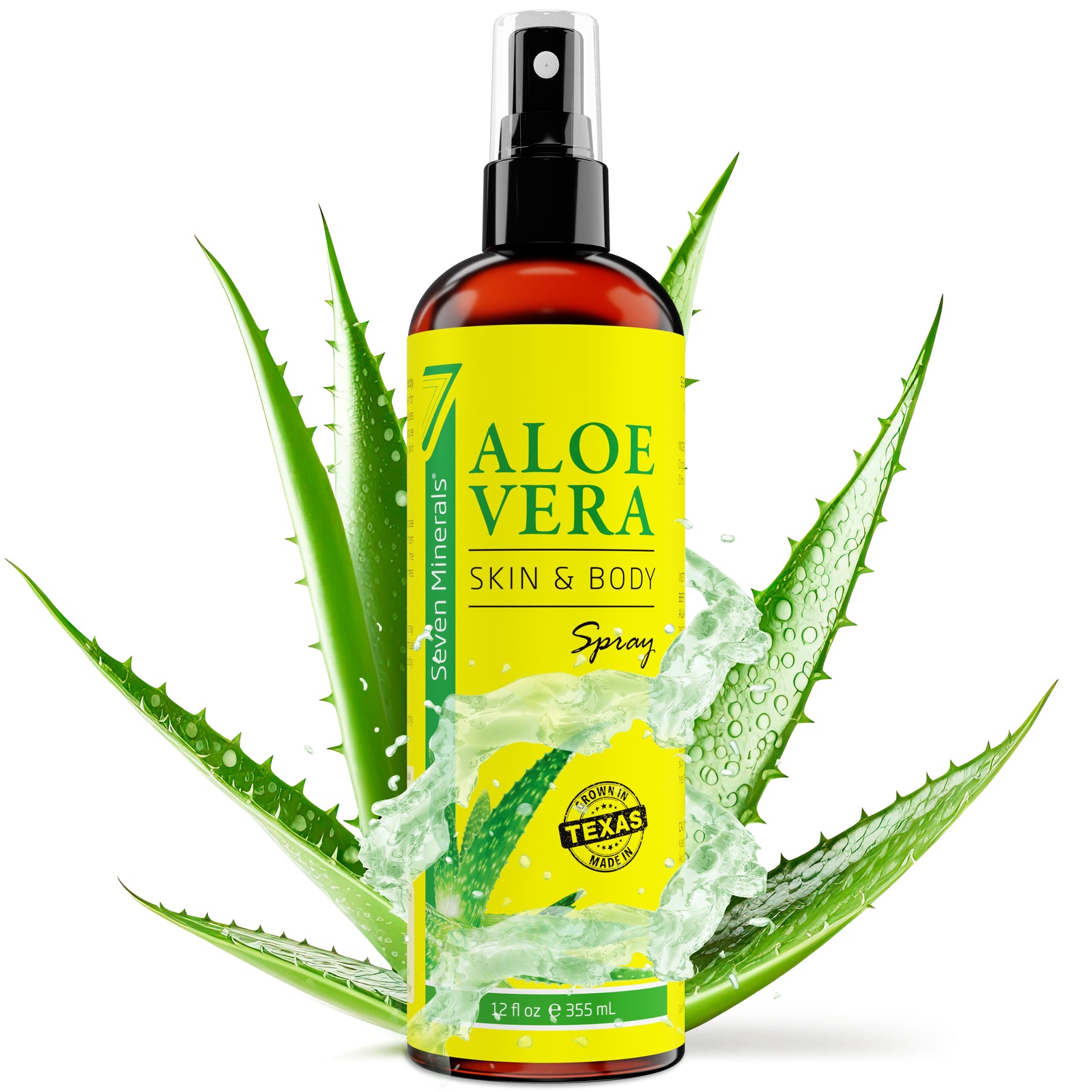
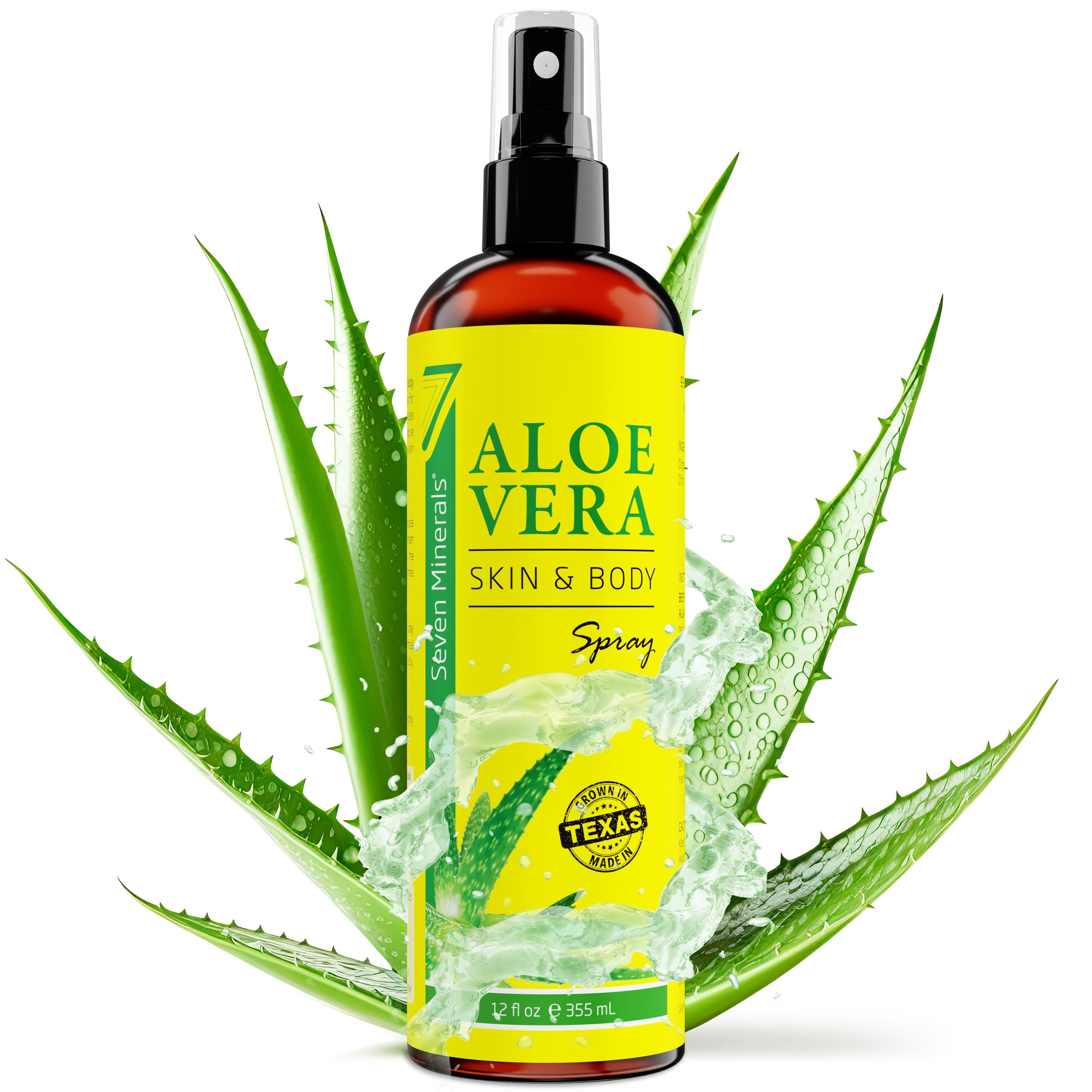
This is where ingredients like aloe vera gel work differently. Pure aloe vera contains polysaccharides that form a breathable film on the skin, reducing transepidermal water loss while the barrier repairs itself underneath. It's not just moisturizing. It's protective. You can explore Seven Minerals' aloe vera gel collection to see formulations built around this principle.
Here's a contrarian claim worth sitting with: the ingredient most responsible for skin sensitivity in women over 40 isn't a harsh chemical most people would recognize. It's fragrance.
Fragrance is a blanket term that can represent dozens of individual chemical compounds, many of which are known sensitizers. Because fragrance is classified as a trade secret in the US, manufacturers aren't required to disclose what's in it. The Environmental Working Group (EWG) flags fragrance as one of the most problematic categories in personal care products, and Seven Minerals holds EWG skin health score certification specifically because of this kind of ingredient transparency.
As your skin barrier thins, its ability to screen out irritants drops. Fragrance compounds that your immune system tolerated before can now trigger a reaction because they're reaching deeper layers of skin than they used to. The sensitization builds over time, which is why women often describe a sudden increase in reactivity to products they've used for years.
The fix is simpler than most people expect. Fragrance-free or naturally scented formulations using plant-based ingredients don't carry this risk in the same way. Switching to products without synthetic fragrance is often the single highest-impact change a woman over 40 can make.
The Barrier Restoration Framework is a simple three-question filter for evaluating whether a product is helping or hurting your skin at this stage.
Question 1: Does it strip? If a cleanser or toner leaves your skin feeling tight immediately after use, it's removing lipids your barrier needs. Tightness isn't cleanliness. It's damage.
Question 2: Does it bypass the surface? Topical magnesium, for example, absorbs transdermally, meaning it works below the surface layer rather than sitting on top of it. Products that interact with the skin's deeper mechanisms tend to produce more durable results than those that only affect the surface.
Question 3: What's the full ingredient list? If fragrance, sulfates, or alcohol appear in the first five ingredients, the product is likely working against a post-40 barrier. Use this when you're evaluating a new product or troubleshooting persistent sensitivity. Skip it when your skin is in a reactive flare and you need to simplify rather than analyze.
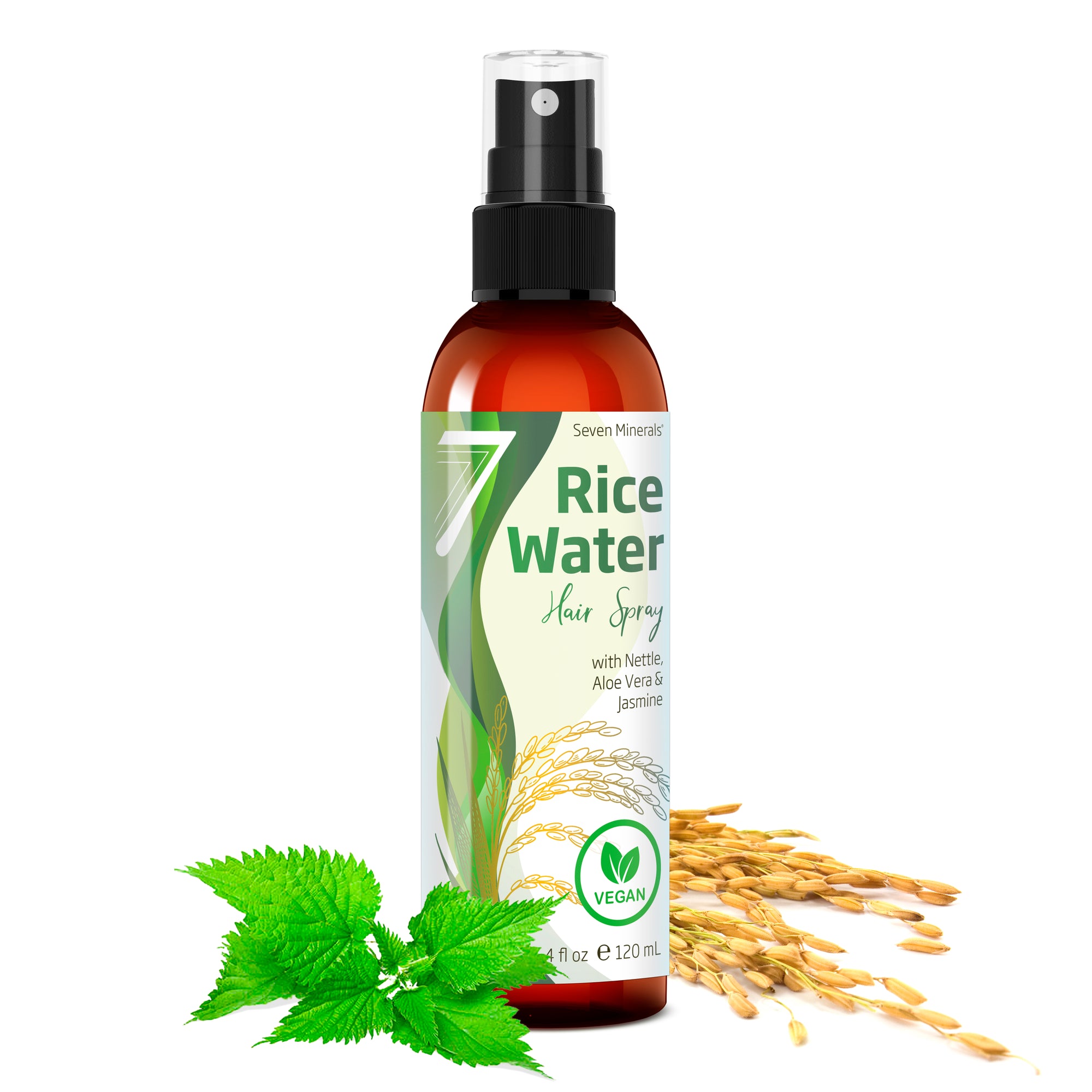
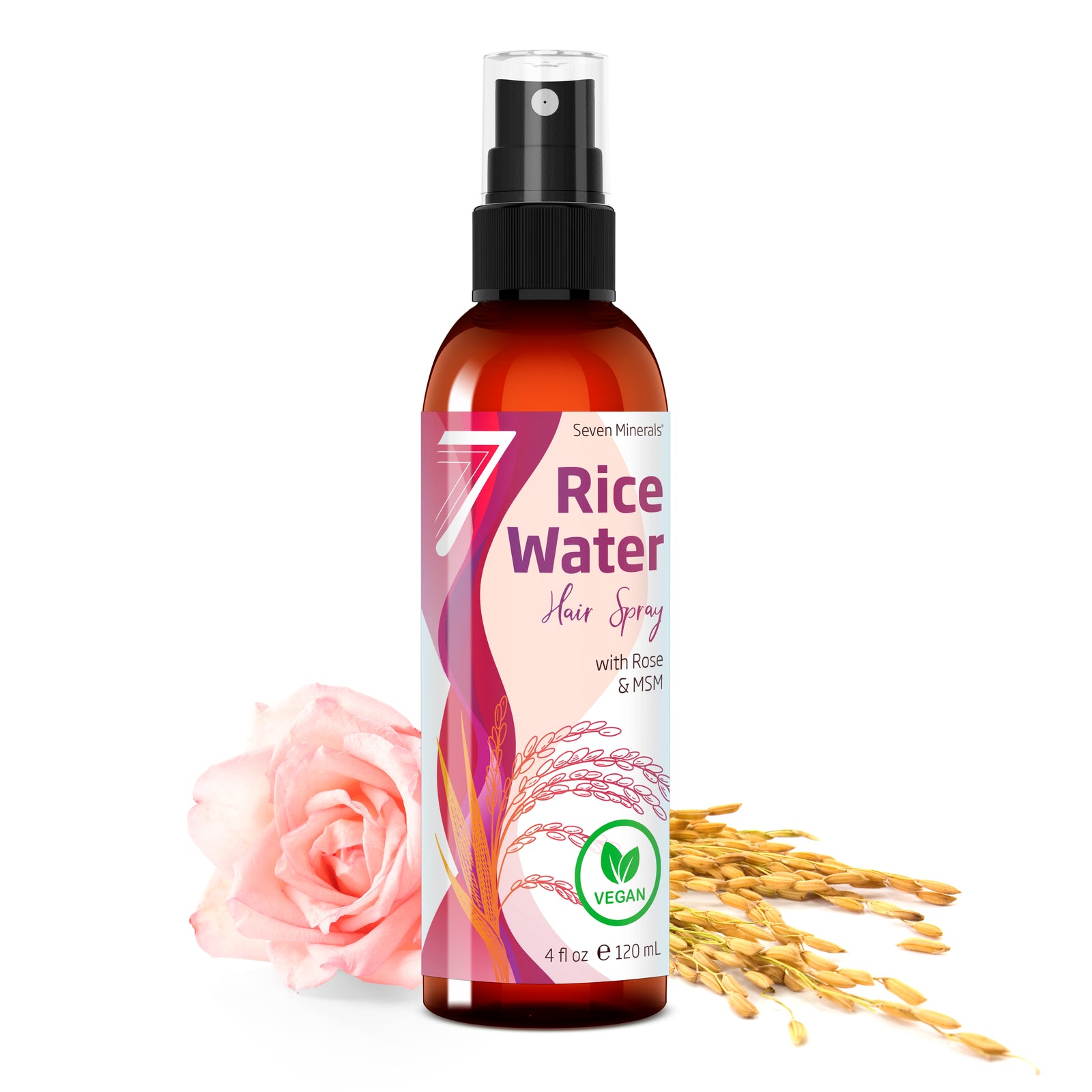
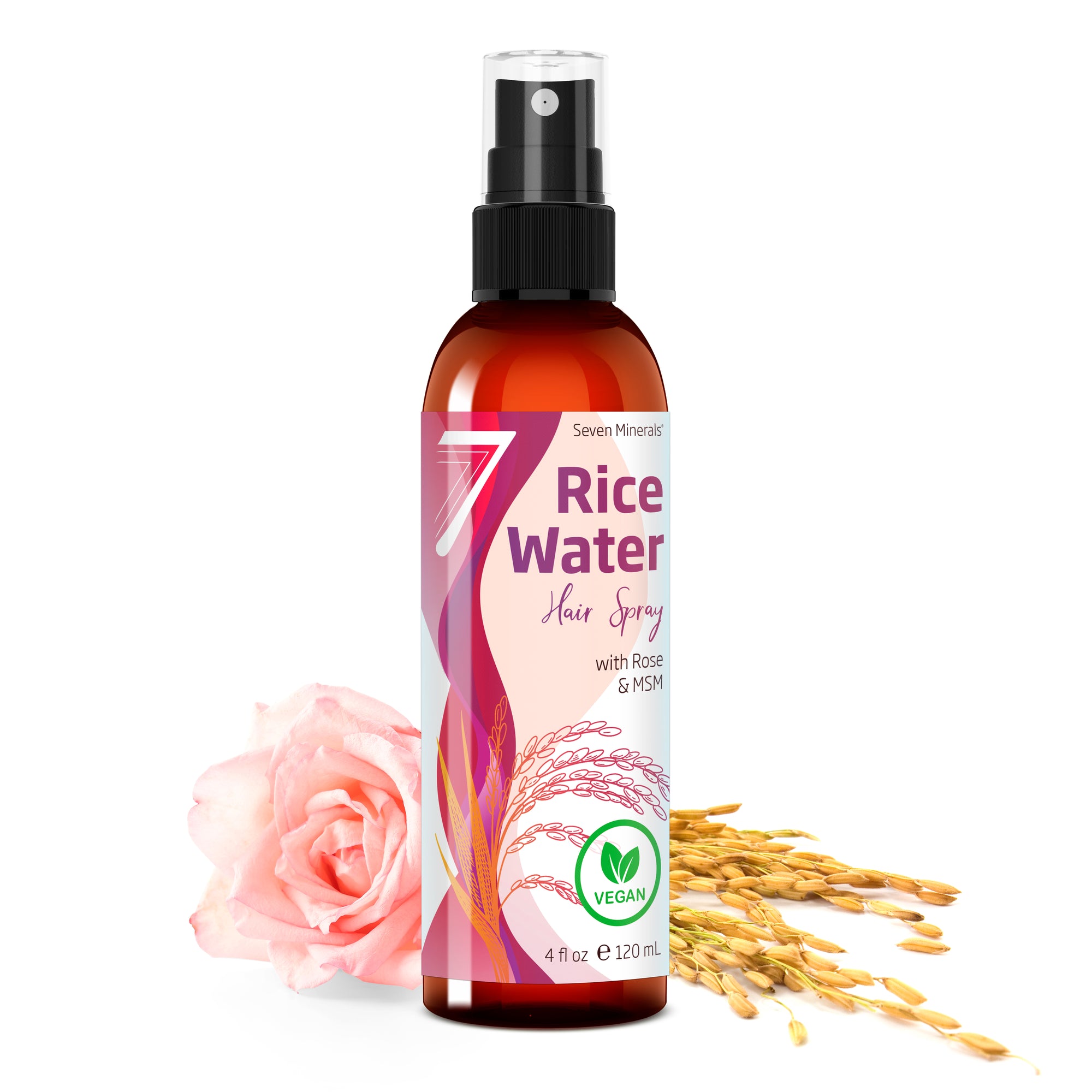
Seven Minerals formulates with this kind of ingredient discipline. Their hair and face care collection is built around pure, functional ingredients without the additives that compromise barrier integrity.
Most people think of magnesium as something you take for sleep or muscle cramps. Its role in skin health is less well known and worth understanding at the mechanism level.
Topical magnesium is magnesium applied directly to the skin rather than ingested, where it absorbs transdermally and interacts with cellular processes in the skin and underlying tissue. Products that add synthetic anti-inflammatory agents can disrupt this response unpredictably. Magnesium supports the body's own regulation of it.
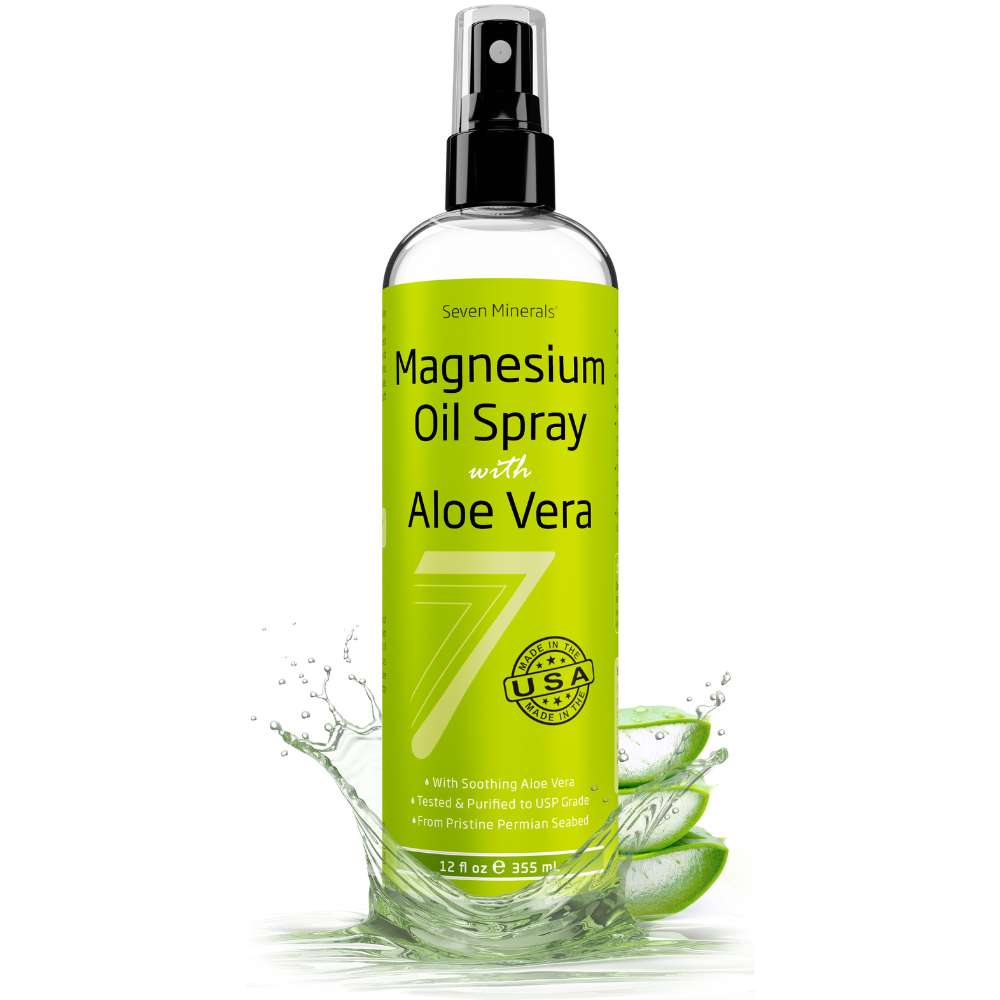
Seven Minerals' magnesium oil with aloe vera combines these two mechanisms: the barrier-protective properties of aloe with the cellular support of USP Grade magnesium. It's a combination that addresses both surface and systemic skin health at once.
If you're curious about where to start, their best sellers reflect what women are actually reaching for after trying multiple conventional options.
The goal here isn't to dismiss conventional products entirely. Some work well for specific purposes. But the tradeoffs are real and worth naming plainly.
|
Factor |
Conventional Products |
Natural Alternatives (e.g., Seven Minerals) |
|
Barrier impact |
Often strips lipids with sulfates and alcohol |
Supports lipid retention with plant-based ingredients |
|
Fragrance |
Frequently synthetic, undisclosed compounds |
Plant-based scent or fragrance-free |
|
Ingredient transparency |
Trade secret protections limit disclosure |
EWG-certified ingredient transparency |
|
Speed of results |
Often immediate surface effect |
Deeper, more durable results over 2-4 weeks |
|
Sensitivity risk |
Increases with age and repeated use |
Lower sensitization risk without synthetic additives |
|
Cost over time |
Lower unit cost, higher repurchase frequency |
Higher initial investment, longer-lasting results |
The honest tradeoff: natural formulations often take longer to show visible results because they're working with your skin's own repair cycle rather than overriding it. Two to four weeks is a realistic timeline for barrier improvement, not two days.
If you want to see the full range of what a purer formulation approach looks like, Seven Minerals' cleanse, repair, hydrate collection is a good starting point.
Not every skin concern is a product formulation problem. If you're dealing with a diagnosed skin condition like rosacea, eczema, or psoriasis, ingredient swaps alone won't resolve it. A dermatologist's input is part of the picture, not an alternative to it.
Natural formulations also aren't a substitute for sun protection. Barrier restoration and hydration support are valuable, but UV damage is the single largest driver of visible skin aging, and no plant-based ingredient replaces a proper SPF in your summer routine.
And if you're expecting overnight results, natural products will disappoint you. The mechanism is slower because it's supporting biological repair rather than creating a cosmetic effect on top of damaged skin. That's a feature, not a flaw, but it requires patience.
The skin you're in right now isn't declining. It's changing, and it deserves products that understand the difference.
Seven Minerals offers a 90-day money-back guarantee, so there's no risk in finding out whether purer formulations work better for your skin than what you've been using. Start with their hair and face care collection and give your barrier four weeks to respond.
Skin barrier function changes gradually as estrogen levels shift, and the threshold for sensitization drops over time. A product that your skin tolerated at 35 may be crossing that threshold at 48 because your barrier is thinner and more permeable now. The product didn't change. Your skin's ability to screen out irritants did.
Effectiveness depends entirely on the mechanism of the ingredient, not whether it's labeled natural. Aloe vera's polysaccharides genuinely reduce transepidermal water loss. Magnesium's role in cellular repair is well-documented. What matters is whether the ingredient does something specific at a biological level, and the best natural formulations are built around ingredients that do.
Barrier repair takes time because it's a biological process, not a cosmetic one. Most women notice reduced sensitivity and less tightness within two weeks. Visible improvements in texture and hydration typically take four to six weeks. If you're not seeing any change after eight weeks, the formulation may not be the right fit for your specific skin type.
Yes, though concentration matters, we generally don’t recommend this approach. However, if you go through with it high-concentration magnesium oil applied directly to the face can cause a tingling sensation, especially on sensitive or compromised skin. Starting with a diluted blend or a formulation that combines magnesium with a soothing carrier like aloe vera is a gentler entry point for facial use.
The delivery format affects how the ingredient interacts with your skin. Gel formulations stay on the surface longer, making them better for targeted hydration and barrier support. Spray formats absorb faster and cover larger areas more easily, which makes them practical for the scalp or body. Both deliver the same core ingredient benefits.
For most women over 40, yes. Sulfates are highly effective surfactants that clean thoroughly, but they also remove the sebum that a drier, post-40 scalp is already producing less of. Sulfate-free cleansers clean without stripping, which reduces the cycle of dryness, overproduction, and scalp sensitivity that many women experience in this stage.
Seven Minerals ships across the USA and offers free shipping on orders of $70 or more. They back their products with a 90-day money-back guarantee, which means you can try a new formulation through a full skin-repair cycle without financial risk if it doesn't work for your skin.
Karin is the co-founder of Seven Minerals, a family-owned natural skincare company she established in 2014 with a focus on pure, effective alternatives to conventional beauty and wellness products. She brings over a decade of hands-on formulation experience and a deep commitment to ingredient transparency, USP Grade quality, and products that solve real problems without harmful additives. Seven Minerals has served millions of customers across the USA and manufactures its products domestically.