-
Aloe vera & Aftersun
-
Magnesium Oil & Blends
-
Carrier Oils
-
Massage Oils
-
Hair & Face
-
Magnesium Bath & Beauty
-
Castile Soap
-
Wellness Packs
- Gift Cards
By Karin, Co-founder of Seven Minerals
After a long day outdoors, a lot of people reach for aloe vera gel before anything else. That instinct makes sense. A good organic aloe vera gel feels cool, lightweight, and straightforward on warm skin. Knowing what to look for in a product, though, makes a real difference in what you actually bring home and whether you keep using it.
Aloe vera gel is widely used after sun exposure because of its cooling, lightweight feel on warm, sun-exposed skin
Ingredient transparency matters: look for a label that tells you clearly what is in the bottle and in what form
Texture varies meaningfully between products, and it is worth paying attention to before you buy
Seven Minerals Aloe Vera Gel is designed for everyday skin, hair, and household cosmetic use, making it a practical year-round option
For blistered skin, significant burns, or symptoms beyond routine skin discomfort, seek medical attention rather than reaching for a cosmetic product
It comes down to how the gel actually feels. Pure aloe vera gel is water-rich and applies lightly, which gives it a noticeably cooling quality on skin that has been warmed by hours of outdoor heat. It does not leave behind the heavy, occlusive feeling that thicker creams can, which is exactly what most people want when their skin already feels warm and tight from a day outside.
That practical sensory experience is probably why aloe has been a household staple for generations. You come in from the beach or the backyard, your shoulders feel warm and your skin feels dry, and cool aloe gel is the simple, straightforward answer.
Worth saying plainly: aloe vera gel is a cosmetic skincare product, not a treatment for burns. If your skin is blistered, significantly painful, or covering a large area of your body, that situation calls for medical care, not a cosmetic gel. A good aloe product is an after-sun skincare choice. It is not a substitute for appropriate attention when something is genuinely wrong.
Most people do not read aloe vera gel labels the way they read a serum or a lotion. They assume aloe is aloe. The label tells a more complete story.
Cosmetic ingredients are generally listed in descending order of predominance, so where aloe appears on the list gives you a useful starting point. If aloe barbadensis leaf juice or aloe vera gel appears at or near the top, it is likely one of the predominant ingredients in the formula. That is worth knowing.
Ingredient order alone does not reveal an exact percentage, and it does not tell you the full story of how a product is formulated. What it does give you is a starting point for evaluating whether a product reflects the priorities you care about.
A few things worth checking on any aloe label:
Whether aloe is listed as a primary ingredient or appears further down the list
Whether the aloe is certified organic, if that matters to you
Whether fragrance is disclosed. If you prefer fragrance-free skincare or know your skin tends to be sensitive to fragrance, check the ingredient list for added fragrance before use
Whether any added colorants are disclosed
What the preservation system is, and whether that fits your preferences
Different ingredients can serve legitimate formulation purposes, and a longer ingredient list does not automatically mean a worse product. What you are really looking for is transparency: a label you can read, evaluate according to your own priorities, and trust.
Seven Minerals Aloe Vera Gel is formulated with a straightforward ingredient list specifically because the brand is built around customers who want to know what is in the bottle. If ingredient transparency matters to you, the organic aloe vera gel collection is a good place to start reading labels.
It matters more than most people expect, and texture-related complaints are among the most common you will see in aloe gel reviews.
Products described as sticky, tacky, or hard to absorb are usually a formulation preference issue. Texture varies by formulation, and what reads as uncomfortable to one person may be fine for another. The point is that texture is worth paying attention to before you commit to a product you plan to use regularly.
For after-sun use specifically, many customers prefer a gel that spreads easily and settles comfortably without leaving a tacky finish. When you are applying a product to warm skin and then going to sleep or getting dressed, a residue that never quite absorbs is a practical problem, not just a minor inconvenience. It is the reason a lot of people stop using a product they initially liked the idea of.
If a thin application of an aloe gel remains persistently tacky after it settles, that particular formula may simply not provide the finish you prefer. That is useful information for choosing what to keep around.
Here is a practical reference for evaluating products side by side. The goal is not to declare one type of formula better than another, but to give you a framework for reading the label and making a decision that fits your own preferences and skin.
|
What to Check |
What the Label or Product Tells You |
Why It May Matter |
|
Aloe ingredient position |
Whether aloe is among the predominant ingredients |
Gives context on the role aloe plays in the formula |
|
Organic certification |
Whether the aloe was grown to certified organic standards |
Relevant if organic sourcing is a priority for you |
|
Fragrance disclosure |
Whether added fragrance is listed |
Important if you prefer fragrance-free or have sensitive skin |
|
Added color disclosure |
Whether colorants are identified on the label |
Lets you evaluate the ingredient list fully |
|
Preservation system |
What keeps the product stable and safe |
Some customers have preferences or sensitivities here |
|
Texture and application |
How the product feels and settles on skin |
Practical comfort for daily or post-sun use |
|
Intended areas of use |
Whether the product is designed for face, body, hair, or some combination |
Determines how versatile the product is for your household |
|
Ingredient transparency |
Whether the full ingredient list is easy to find and read |
A practical indicator of brand confidence in their formulation |
Color alone does not establish aloe concentration or product quality. If added color matters to you, check the ingredient list for disclosed colorants rather than drawing conclusions from appearance.
The most common mistake is applying aloe gel over sunscreen, salt water, or sweat residue. The gel is going on top of whatever is already on your skin, so starting with clean skin means it actually makes contact with what is underneath. That step is easy to skip when you are tired, but it makes a real difference in how the product feels.
From there, follow the directions on the product label for application amount, frequency, and the areas the product is designed for. Product directions are specific to the formulation, and the label is the right guide.
For facial use, aloe gel is commonly applied after cleansing and before heavier moisturizers or night creams. It works well as a lightweight layer under other products, though individual skin response varies and patch testing is a reasonable first step if you have sensitive skin or a skin condition.
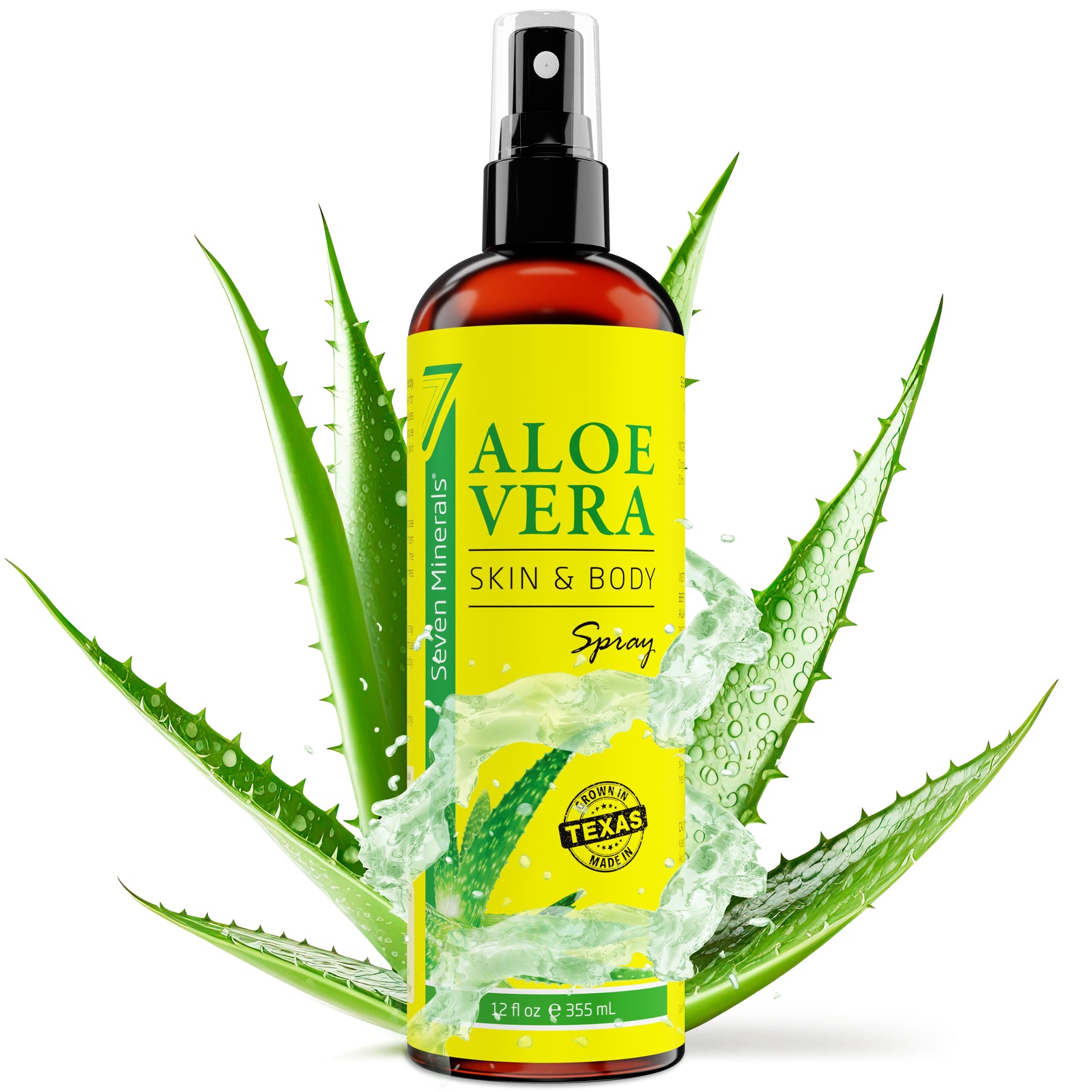
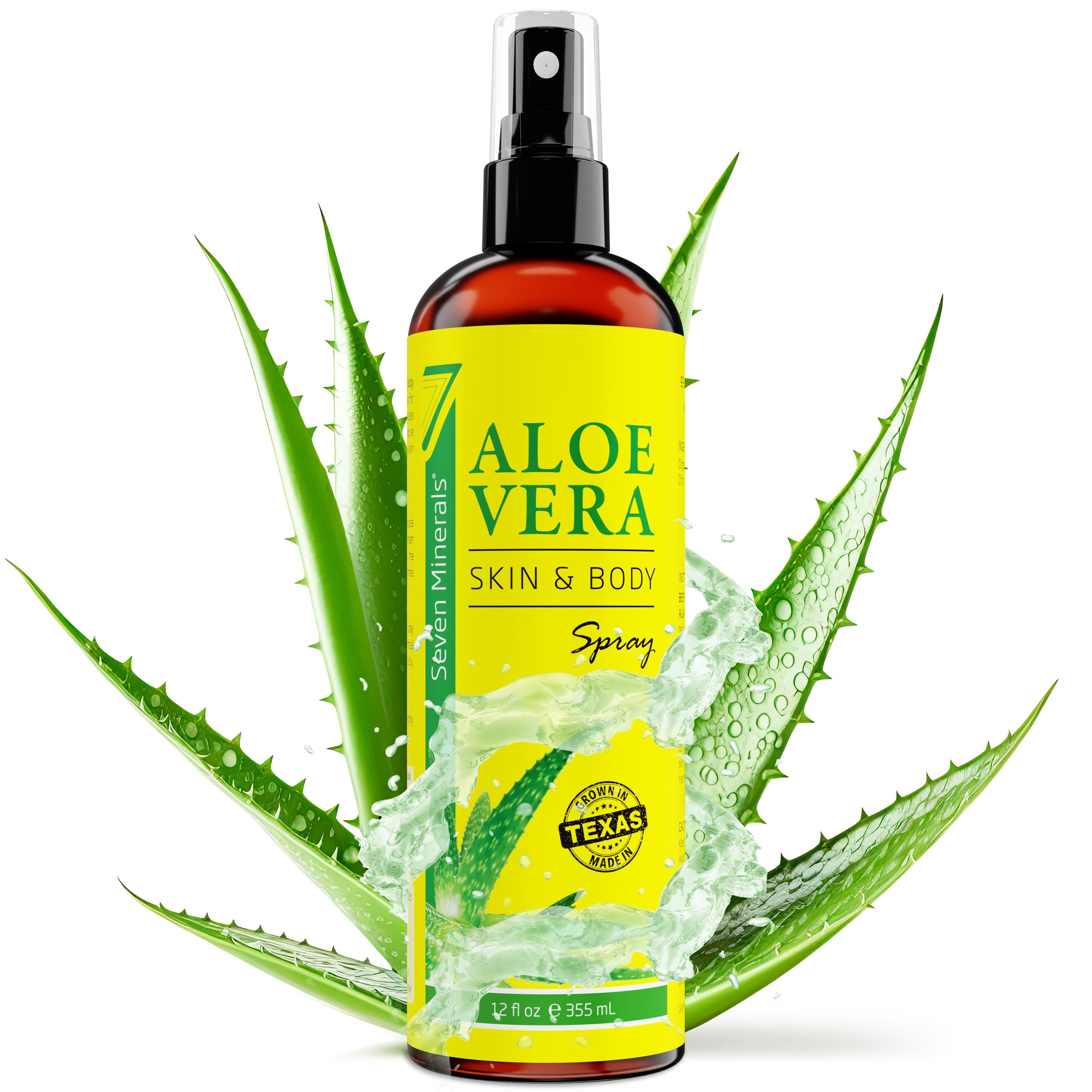
The aloe vera collection includes both gel and spray formats. A spray can make application easier on areas that are hard to reach or tender to the touch, such as your shoulders or back after a long day outdoors.
This is the part that turns an occasional after-sun purchase into something you keep on the shelf all year.
Everyday facial hydration. Aloe gel applies lightly and can work as a standalone layer for people who prefer a minimal skincare routine. Individual skin response varies, so following product directions and doing a patch test is a sensible starting point.
Hair and scalp use. Many customers use aloe gel as an additional step in their hair care routine. If hair or scalp use is something you are interested in, check the product label to confirm that use is within the intended scope of the product you are considering. The hair and face care collection is a useful place to explore those options.
Post-shave skin. Aloe's lightweight, cooling quality makes it a common choice after shaving, when skin can feel warm and freshly sensitized.
General household skincare. A lot of households keep a bottle of aloe gel on hand as a practical everyday cosmetic product. Seven Minerals Aloe Vera Gel is designed for that kind of repeated, versatile use across different skin areas, which is part of why it tends to earn its spot on the bathroom shelf rather than getting used once and forgotten.
Consider someone who comes back from a full day at the lake and wants something quick and lightweight for their warm, sun-exposed skin before bed. They reach for the aloe gel they keep in the bathroom, follow the directions on the label, and move on. The product does what it is supposed to do without requiring anything complicated. That is the kind of everyday reliability a household product has to earn.
Aloe vera gel is a cosmetic product. It is not a wound treatment, and it is not appropriate for serious burns or significant skin injury.
If skin is blistered, broken, deeply burned, or covering a large body area with significant pain, seek medical care. The same applies if someone is running a fever, feeling dizzy, or showing any symptoms beyond ordinary skin discomfort after sun exposure. Those are signs of something more serious than a cosmetic product can address.
For typical mild sun exposure where skin feels warm, dry, and a little tight, aloe is a reasonable and widely used cosmetic skincare choice. For anything that gives you real pause, a healthcare provider is the right call.
Is Seven Minerals Aloe Vera Gel intended for use on the face?
The product is designed for both face and body use. If you have sensitive skin or an existing skin condition, patch testing before broader application is a reasonable first step.
What does "organic" actually mean on an aloe vera product?
Organic certification means the aloe was grown according to applicable certified organic agricultural standards. It refers to how the ingredient was cultivated, not a specific claim about purity or efficacy. On a finished product, organic labeling refers to the certified organic ingredients the product contains.
Why does some aloe gel feel sticky and others do not?
Texture varies by formulation. The type and concentration of gel-forming and thickening agents in a formula affect how the product settles on skin. If a product remains persistently tacky after application, that particular formula may not be the right match for your preferences. It is worth knowing before you commit.
Can I use aloe vera gel on my hair?
Many customers use aloe gel as part of their hair care routine. Whether that works for you depends on your hair type and the specific product. Check the product label for intended uses and follow the directions provided.
What is the difference between an aloe gel and an aloe spray for after-sun use?
The primary difference is the application method. A spray can make it easier to cover larger or harder-to-reach areas, such as your shoulders or back, without using your hands. The aloe vera spray collection is worth considering if you tend to apply to those areas after time outdoors.
Does the color of an aloe gel tell me anything about its quality?
Color alone does not establish aloe concentration, purity, or quality. Fresh aloe vera gel is naturally pale to nearly colorless. If you want to know whether a product contains added colorants, check the ingredient list for disclosed colorants rather than drawing conclusions from how the gel looks.
How often should I apply aloe gel after sun exposure?
Follow the directions on the product label for application frequency and the areas the product is intended for. The label is the right guide for the specific formulation you are using.
After a day outdoors, your skin deserves something simple, transparent, and genuinely comfortable to use. Seven Minerals Aloe Vera Gel is formulated for exactly that kind of everyday, practical skincare use, with an ingredient list you can actually read and evaluate. You can browse the full aloe vera gel collection or explore the after-sun collection to find what fits your routine.
Karin is the co-founder of Seven Minerals, a family-owned natural beauty and wellness company she helped build from the ground up in 2014. Seven Minerals products are manufactured in the USA with a focus on ingredient quality, sourcing transparency, and practical everyday use.